The Archipelago's Playground: A Biography of Santa Cruz
Santa Cruz is the largest municipality in Marinduque, both in land area and in the sheer scale of its natural attractions. A "Total History" of Santa Cruz reveals a town where mystical ancient caverns, a booming island-hopping economy, and strict marine conservation blueprints form a vibrant, dynamic whole.
The Wonders of Sea and Stone: A Hagiography of the Soul
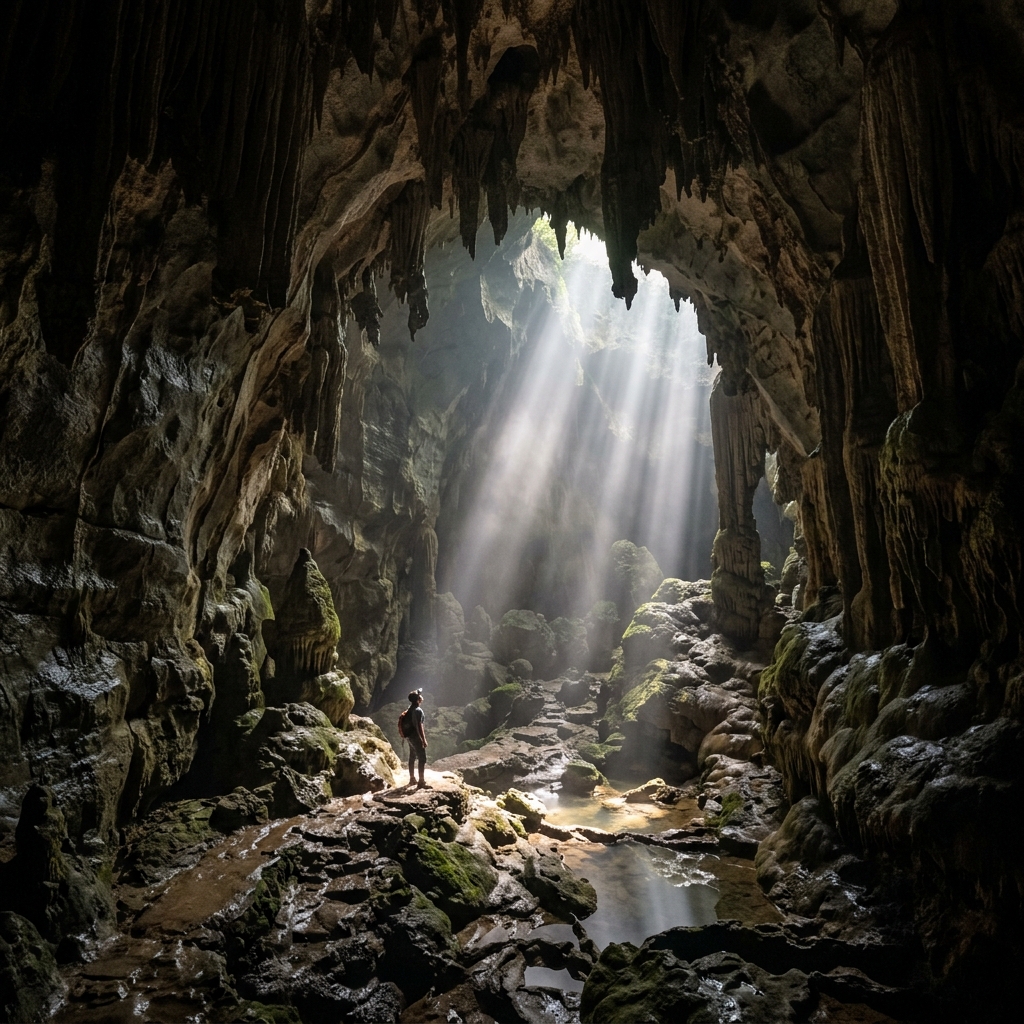
The "Soul" of Santa Cruz is etched into its limestone and scattered across its offshore islands. Inland, the town hides a complex network of caverns known as the Bathala Caves. Believed by pre-colonial locals to be the dwelling place of the supreme god Bathala, the caves feature stunning stalactites, underground pools, and dramatic light rays piercing through natural skylights. This is a place of profound reverence and ancient magic.
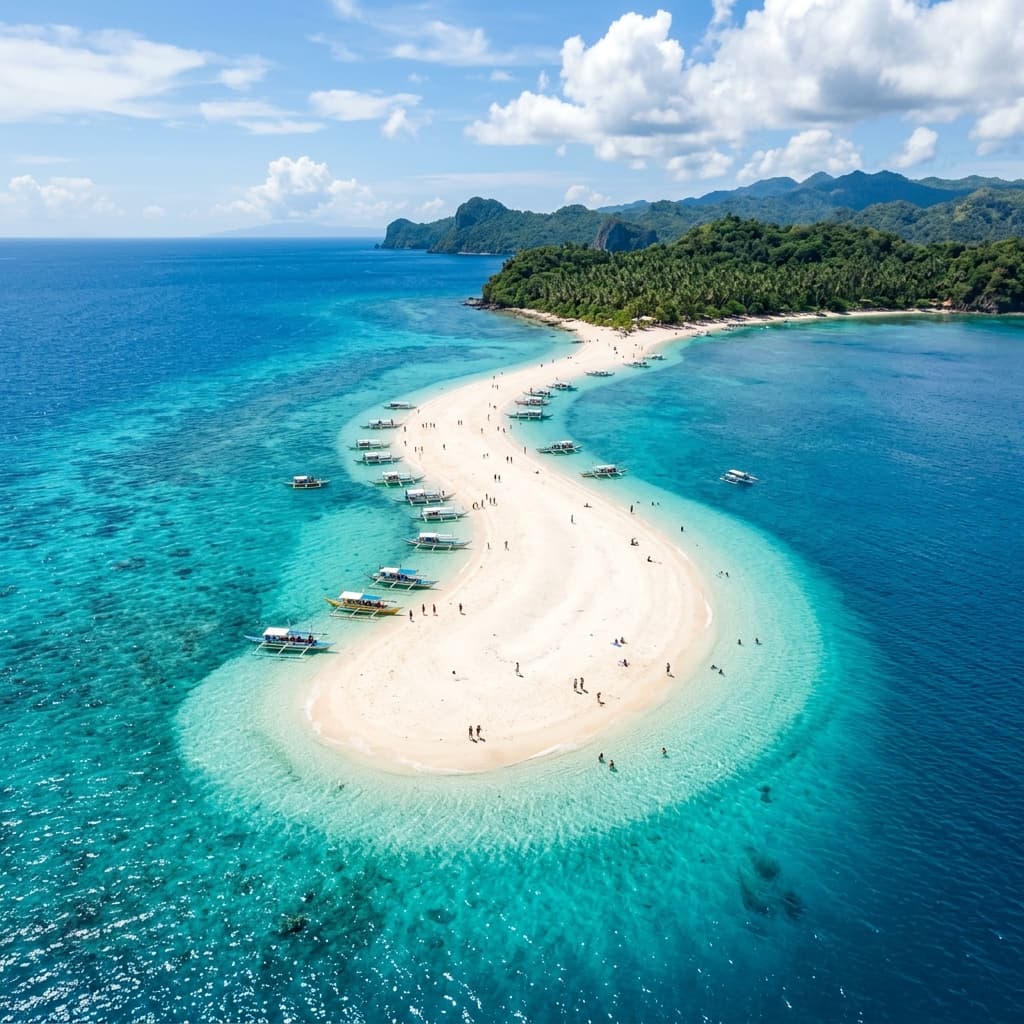
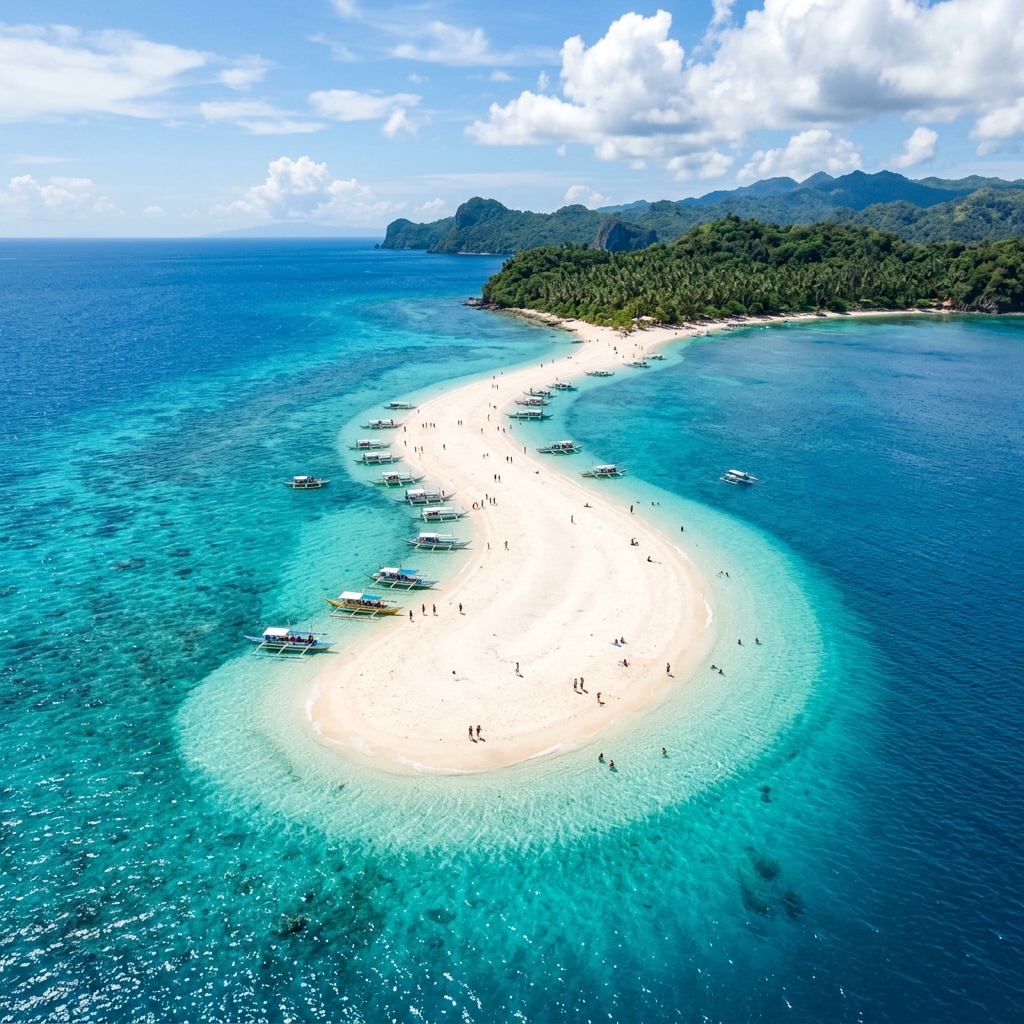
Off the coast, the soul of the town extends into the sea. The crown jewels are the offshore islands: Maniwaya Island offers pristine white sands, while the mystical Palad Sandbar emerges only during low tide, offering visitors a fleeting, surreal experience of walking on water amidst the vibrant turquoise ocean. These are not just tourist spots; they are the natural monuments that define the town's identity.
The Agricultural Giant: A Profile of the Body
The "Body" of Santa Cruz is expansive. As a 1st Class Municipality and the largest by land area, it boasts a thriving, multifaceted economy.
- The Inhabitants: With a population of over 60,000 spread across 55 barangays, it is a bustling hub of commerce and agriculture in the northeastern part of the island.
- The Economic Engine: Beyond the high-revenue island-hopping tourism, Santa Cruz possesses vast agricultural expanses. It is a major producer of rice, copra, and arrowroot (the primary ingredient for the famous Marinduque arrowroot cookies).
- The Marine Economy: Its long coastline and offshore islands support a massive fishing industry, providing seafood not just for the town, but for the entire province and beyond.
The Ecotourism Citadel: A Blueprint for the Future
The "Skeleton" of Santa Cruz addresses the challenges of its own popularity. The strategic plan focuses heavily on upgrading marine infrastructure and establishing strict ecological carrying capacities to prevent over-tourism.
1. Buyabod Port Modernization
Buyabod Port, the primary jump-off point for island hopping, is being upgraded with better passenger terminals, regulated docking fees, and improved safety protocols to provide a world-class, organized experience for international tourists.
2. Strict Marine Conservation
To protect the fragile coral reefs around Mongpong and Maniwaya from boat anchors and pollution, the local government is deploying artificial reefs and establishing strict "No-Take" marine zones, allowing fish populations to recover and ensuring the reefs remain vibrant for decades.
3. Ecotourism Guide Certification
The municipality is heavily investing in training local boatmen and guides, certifying them in ecological preservation, marine biology basics, and first-aid. This professionalizes the local workforce and elevates the standard of service.
Summary of Forward-Looking Investments
| Sector | Investment Focus | Goal for 2030 |
|---|---|---|
| Tourism | Buyabod Port Upgrades | Provide a safe, world-class terminal for island-hoppers. |
| Environment | Reef Restoration & Zoning | Prevent coral bleaching and protect the marine economy. |
| Education | Eco-Guide Certification | Professionalize local tourism workers. |
Conclusion: The Total Municipality
Santa Cruz is the undisputed adventure capital of Marinduque. By treating its mythical caves and pristine sandbars not just as commodities, but as sacred natural endowments requiring strict protection, Santa Cruz is charting a sustainable path forward. It stands as a "Total Municipality"—vast, bountiful, and fiercely committed to preserving the natural wonders that make it an island paradise.