Marinduque Connect
Optimizing Experience
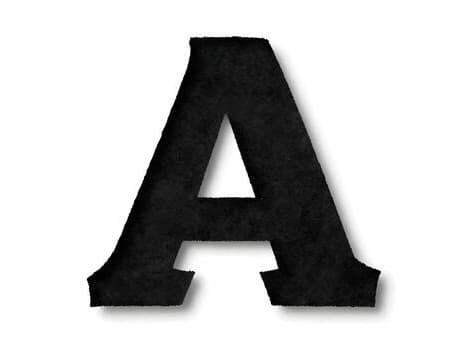
The letter A in the Philippines most commonly refers to the primary vowel in the Filipino alphabet (pronounced "ah"), or the ancient pre-colonial Baybayin script (where it stands alone as a vowel or inherently modifies consonants).1. The Filipino AlphabetThe modern Filipino alphabet consists of 28 letters, with A being the very first letter.Pronunciation: Unlike English, where 'A' has multiple sounds, the Filipino "A" has a pure, consistent vowel sound. It is always pronounced as "ah" (like in the word "father").Common Examples: Words like araw (sun/day) and anak (child) use this sound heavily. In fact, A, N, and G are the most frequently used letters in the Filipino language.2. Pre-Colonial BaybayinBefore the arrival of the Spanish, Filipinos used an indigenous writing system called Baybayin.The "A" Character: It has its own unique symbol for the independent "A" vowel.Syllabic Nature: Baybayin is not just an alphabet, but an abugida. Every standalone consonant symbol inherently includes an "A" sound (for example, the consonant symbol for 'B' is pronounced "ba"). To change the sound to an "E/I" or "O/U", a small mark called a kudlit is placed above or below the letter.To learn more about this native script's history and meaning, you can read the FamilySearch guide on the revival of the written culture.3. The AbakadaBefore the 28-letter alphabet was standardized, Filipinos used the Abakada alphabet, which was adopted in 1939.It was a 20-letter alphabet (A, B, K, D, E, G, H, I, L, M, N, NG, O, P, R, S, T, U, W, Y)."A" was the first letter of this foundational orthography that helped establish the national language.4. Language Resource LinksIf you are diving deeper into the meaning, structure, or vocabulary of the language, you can explore the following guides:Preply: Check out the Tagalog Alphabet Guide to learn the phonetics of the vowels and basic vocabulary.Wikipedia: Read the Wikipedia Filipino Alphabet article for the full history of how the alphabet evolved over time.
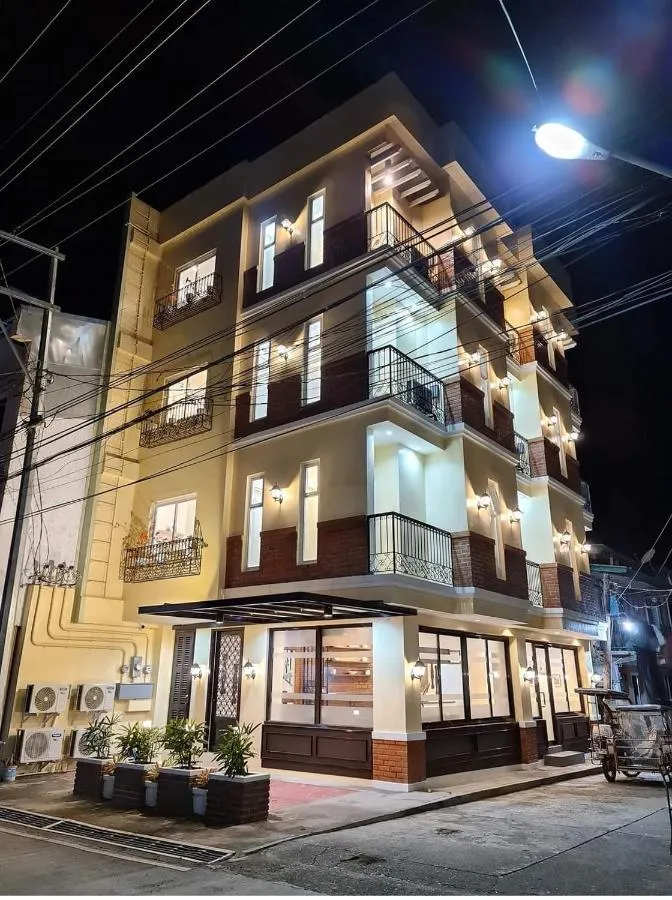
Sumakay ng jeep o tricycle papuntang Boac town proper. Madaling makita at malapit lang sa kalsada.
No reviews yet. Be the first to share your experience!
For official questions about access, advisories, or operating status, contact the local LGU.