
Marinduque Connect
Optimizing Experience
Found in Marinduque
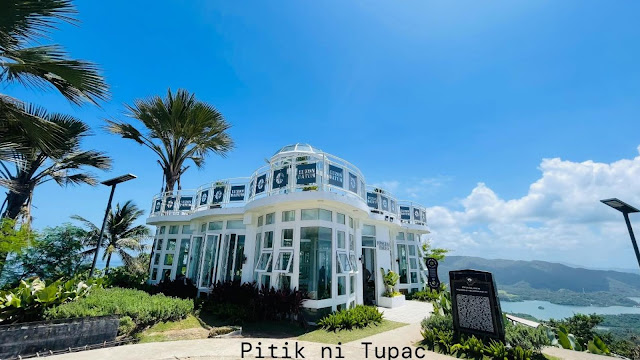
Established in 1911 by the United States Coast and Geodetic Survey, this historic stone marker on Mount Mataas (Station Balanacan) serves as the primary geodetic reference datum (Origin Point 0) for all official maps, property surveys, and navigational charts across the Philippine archipelago. To reach the summit, visitors ascend a well-maintained 468-step concrete stairway enveloped by lush forest canopy. The viewing deck offers an unparalleled 360-degree panoramic vista overlooking the calm waters of Mompog Pass, Tayabas Bay, and the dramatic island coves of northern Marinduque. **Traveler Logistics:** Accessible via tricycle or chartered jeepney from Balanacan Port (approx 15 minutes) or Boac capital (35 minutes). Best visited during early morning or late afternoon for cool breezes and spectacular sunset photography.
 Ms.
Ms.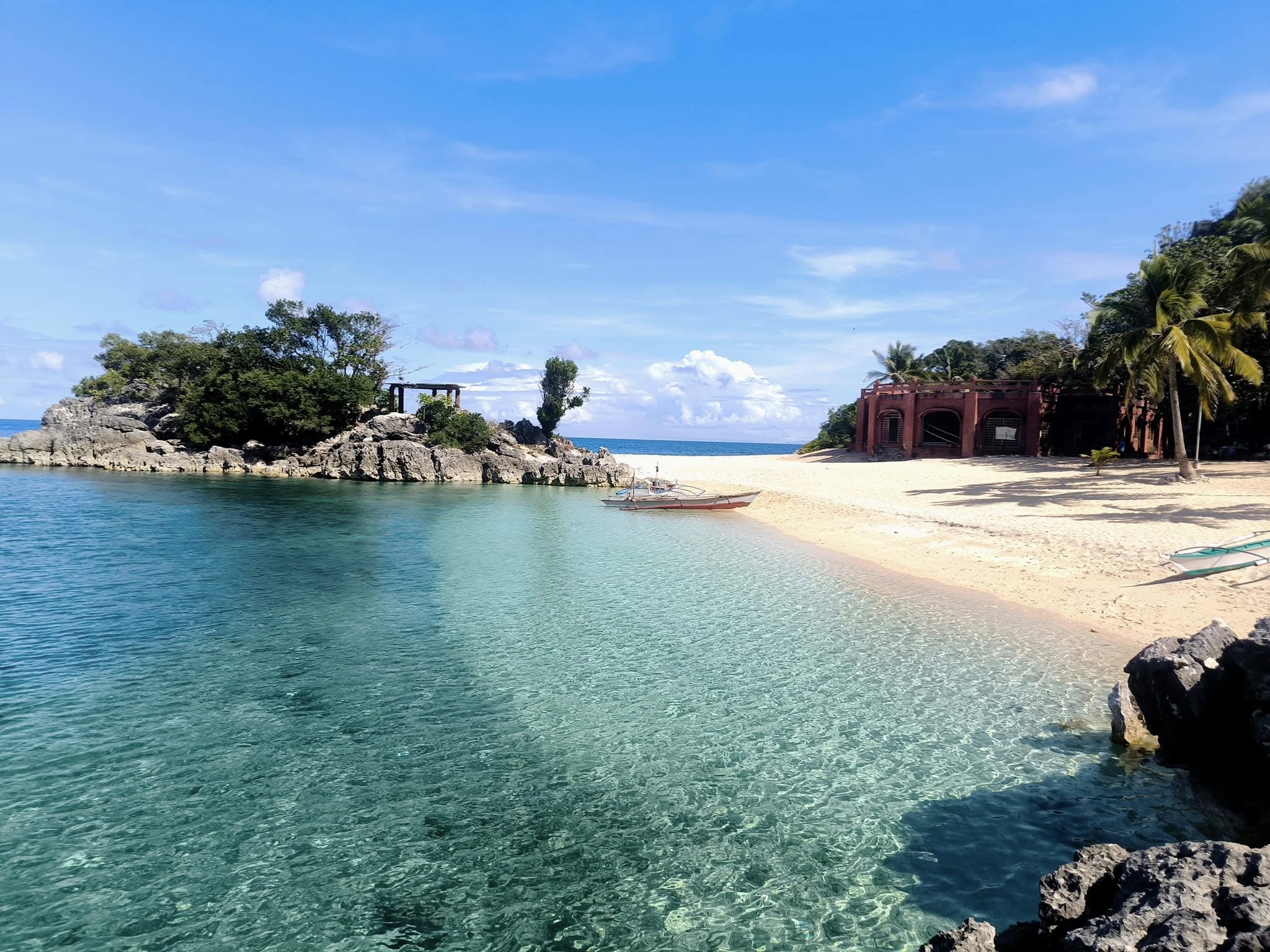
A secluded limestone islet situated off the northwestern tip of Mogpog, Natangko Island is celebrated for its pristine white sand pockets and dramatic underwater drop-offs. The island's shallow surrounding waters host pristine coral gardens teeming with clownfish, sea turtles, and vibrant parrotfish. The eastern face of the island features a deep marine wall that has become a premier sanctuary for freedivers and underwater macro photographers. Because the island is uninhabited, it retains an exceptionally rugged, untouched natural beauty. **Traveler Logistics:** Accessible via a 20-minute motorized outrigger boat ride from Balanacan Port or Silangan beach. Visitors are advised to bring their own snorkeling gear, drinking water, and sun protection as there are no commercial structures on the islet.
 Marinduque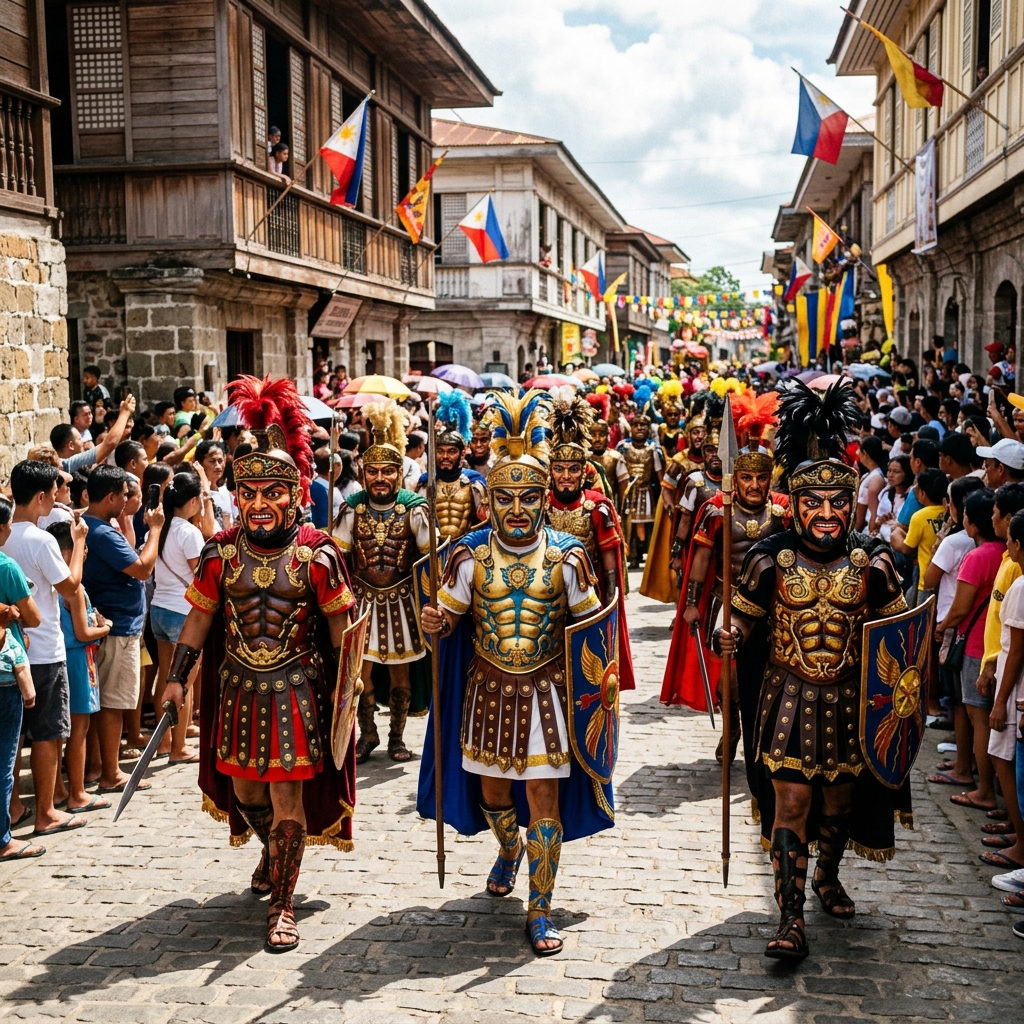
Located in the master artisan village of Barangay Ino, Mogpog, the Milagrosa Wood Carvers preserve the centuries-old traditional craft of sculpting Roman centurion masks for the world-famous Lenten Moriones Festival. Mogpog is historically recognized as the birthplace of the Moriones tradition. Generational woodcarvers use specialized chisels and adzes to hollow out blocks of lightweight dapdap (coral tree) and santol wood, meticulously carving expressive facial features before applying layers of vibrant enamel paint and authentic horsehair crests. **Traveler Logistics:** Visitors can tour the family workshops in Barangay Ino year-round, observe the intricate carving process firsthand, and commission customized miniature masks or full-sized collector pieces directly from the master craftsmen.
Marinduque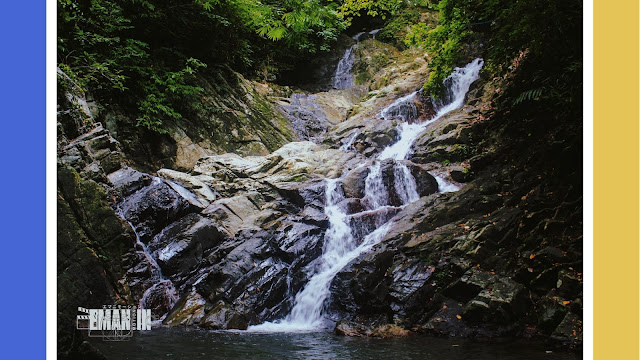
Nestled deep within the interior rainforest of Barangay Bocboc, Mogpog, Paadyao Cascades (locally known as Paadjad) is a picturesque multi-tiered waterfall system. Crisp, unpolluted mountain water cascades over smooth boulder rock faces into a series of crystal-clear emerald swimming basins. The shallow upper tiers are perfectly suited for children and relaxing wading, while the deep lower basin provides an invigorating plunge for swimmers. The surrounding forest canopy of towering bamboo clusters, wild ferns, and dipterocarp trees ensures cool shade throughout the day. **Traveler Logistics:** Located approximately 25 minutes by tricycle or motorbike from Mogpog town proper. From the jump-off registration point, an easy 10-minute nature walk along a paved riverside trail leads directly to the main cascade.
Ms.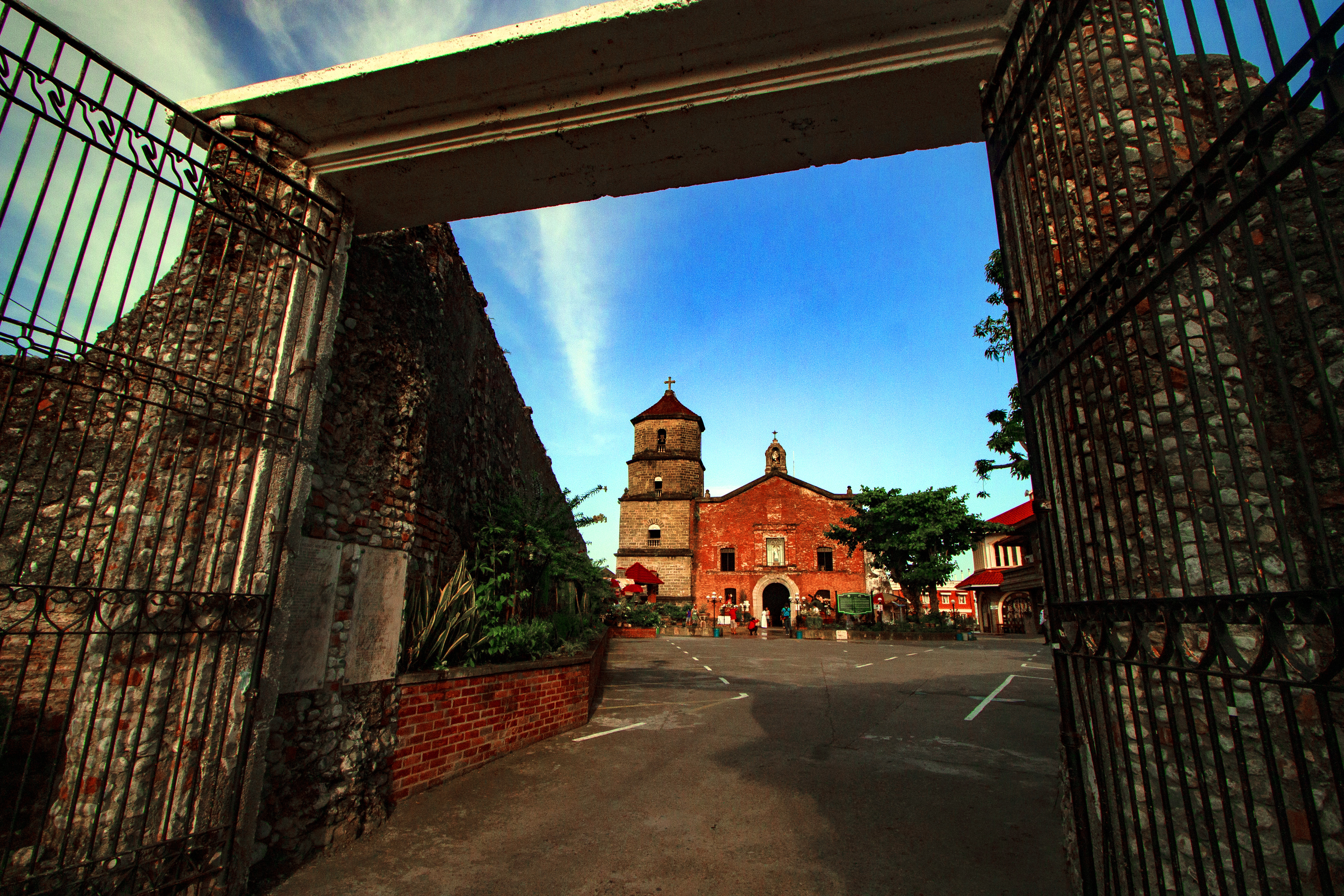
Constructed as a fortified stone church by Jesuit missionaries in the 17th to 18th centuries and completed in 1792 atop a strategic hill overlooking the Boac River, the Immaculate Conception Parish Church (Boac Cathedral) is a prime example of Spanish-era Hispanic Gothic fortress architecture. Its massive meter-thick terracotta stone buttresses and towering belfry originally served as a sanctuary and defensive redoubt protecting townspeople from Moro pirate raids. The cathedral's interior features beautifully restored wooden retablos and original ceiling frescoes. It is dedicated to Our Lady of Prompt Succor (Ina ng Biglang Awa), the patroness of Marinduque, who according to island lore miraculously appeared on the fortress wall in the 18th century to drive away invading pirates. **Traveler Logistics:** Located in the heart of Poblacion Boac. Visitors can walk up the historic cobblestone steps from the town plaza. Modest dress is required inside the sanctuary. **Where to Stay & Dine Nearby:** Looking for a cozy, top-rated boutique hotel within walking distance? Check out [Nine Balconies Island Stay](/directory/b/8a040631-ac89-43e8-a307-4d56ad0dcad8), located just 180 meters (3-minute walk) from the cathedral with private balconies overlooking the town. For artisan coffee and heritage desserts, visit [Cafe Rajo](/directory/b/6e294150-be7b-4bd1-86f2-f5b062cd7d42) inside the historic Casa Narvas just 150 meters away.
Ms.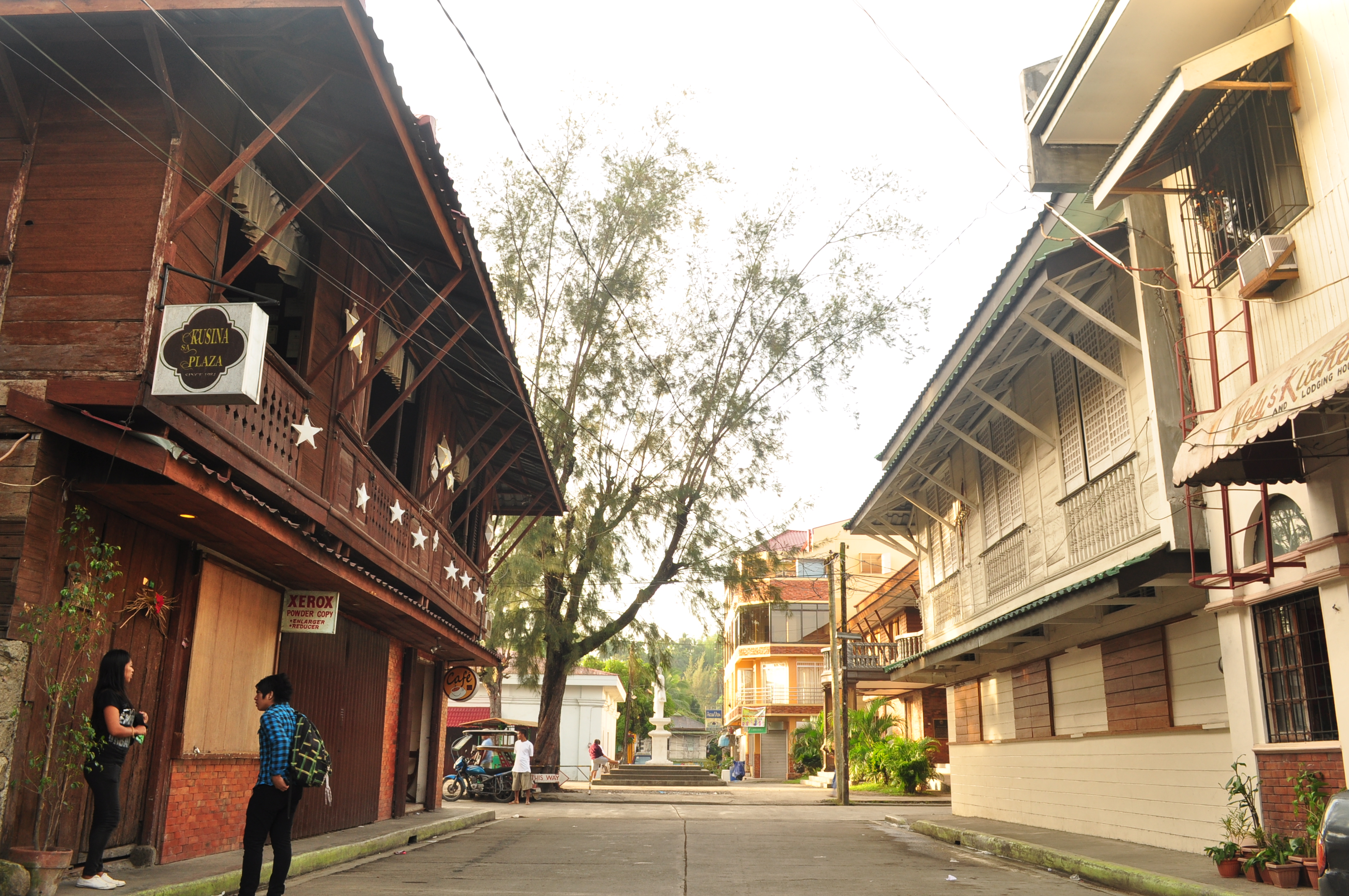
Strolling through the heritage district of Poblacion Boac offers an enchanting glimpse into the opulent lifestyle of 19th-century provincial aristocracy. The cobblestone-lined streets are flanked by immaculately preserved two-story bahay na bato (stone houses) combining Spanish colonial stonework with native Philippine carpentry. Prominent heritage structures like Casa Narvas (Casa Narvasa, built 1920) and the Deogracias Ancestral House showcase intricate wooden balustrades, classic capiz shell sliding windows, carved floral ventanillas, and polished narra hardwood floors. Today, visitors can dine inside the historic Casa Narvas at [Cafe Rajo](/directory/b/6e294150-be7b-4bd1-86f2-f5b062cd7d42) for artisan coffee, waffled suman with latik, and layered turon. **Traveler Logistics:** Best explored on foot during a leisurely afternoon walking tour. Local municipal guides can be arranged at the Boac Tourism Office near the town plaza to provide in-depth historical commentary.
Marinduque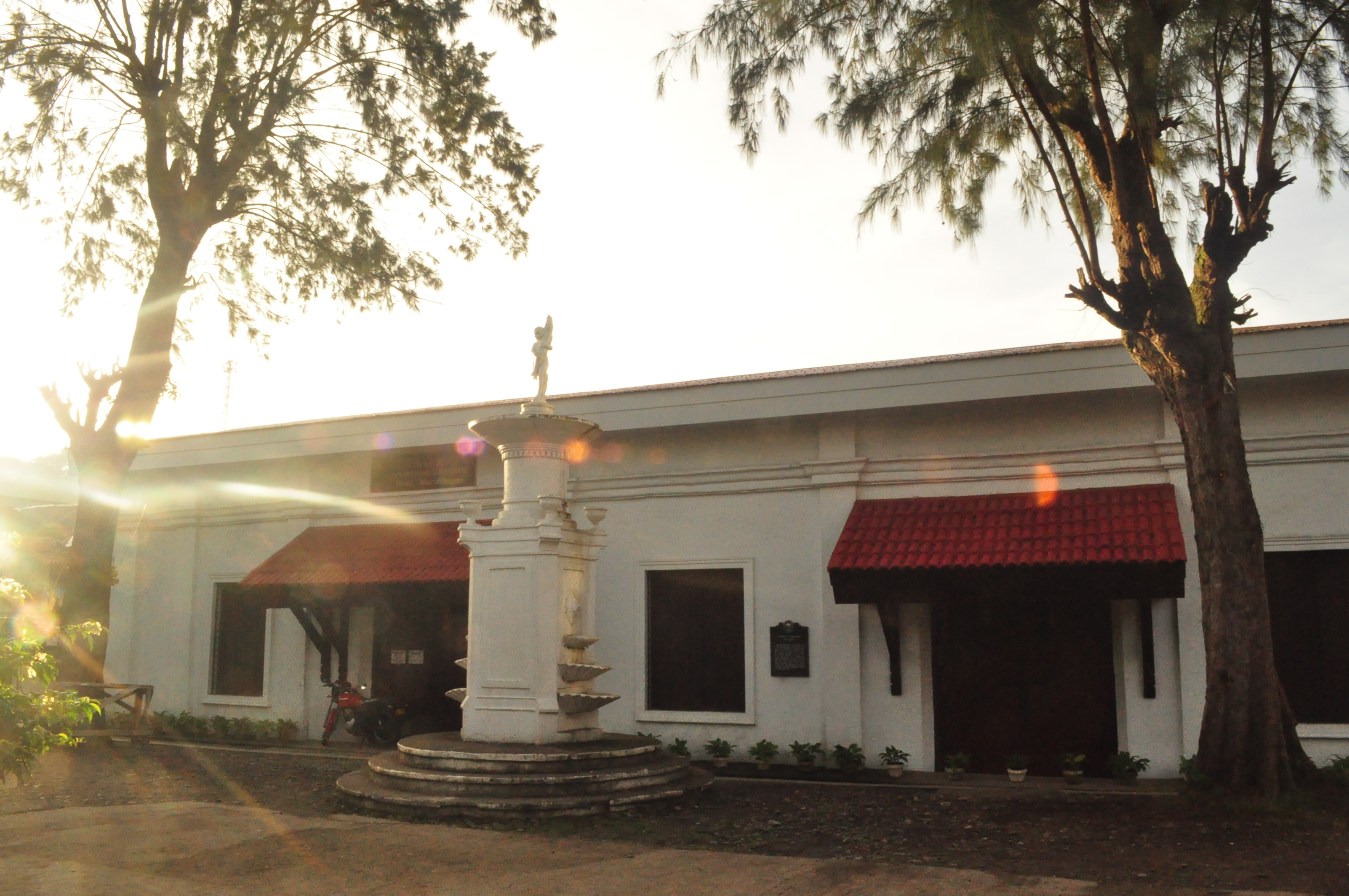
Housed within a beautifully restored Spanish-era building (originally the *Escuela de Niños* and later a tribunal, prison, and municipal library) adjacent to the Boac town plaza, the Marinduque National Museum (managed by the National Museum of the Philippines) is the island's premier repository of cultural and archeological heritage. The museum features permanent galleries displaying rare pre-colonial secondary burial jars recovered from island caves, centuries-old Ming and Qing dynasty porcelain ceramics salvaged from Marinduque shipwrecks, traditional loom weaving displays, and historical exhibits detailing the evolution of the Lenten Moriones tradition. **Traveler Logistics:** Open Tuesday to Sunday from 9:00 AM to 4:00 PM. Admission is completely free to the public. Excellent educational stop before exploring the rest of the island.
Ms.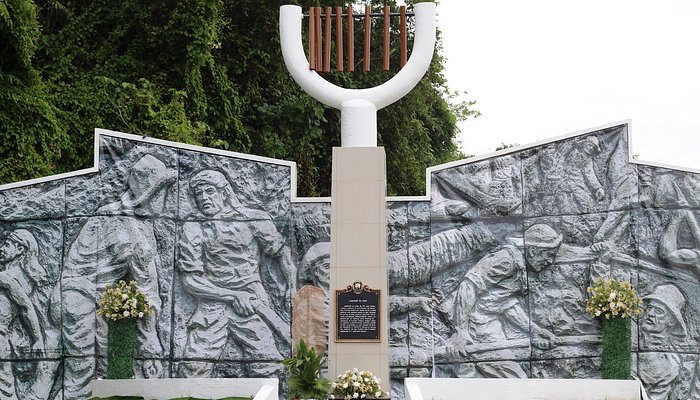
Erected in the rugged, boulder-strewn terrain of Sitio Paye, Barangay Balimbing, Boac, this historical monument commemorates the decisive Filipino victory during the Philippine-American War on July 31, 1900. Under the astute leadership of Captain Teofilo Roque, Marinduqueño freedom fighters executed a brilliant tactical ambush against advancing American military forces. Using the dense tropical jungle and natural rock formations for cover, local guerrilla units successfully repelled superior enemy firepower. The marker stands as a solemn monument to the fierce independence, courage, and strategic ingenuity of Marinduque's revolutionary heroes. **Traveler Logistics:** Located approximately 15 minutes by tricycle from Poblacion Boac along the interior provincial road leading toward Mogpog. The historical marker is situated alongside the road for easy viewing.
Marinduque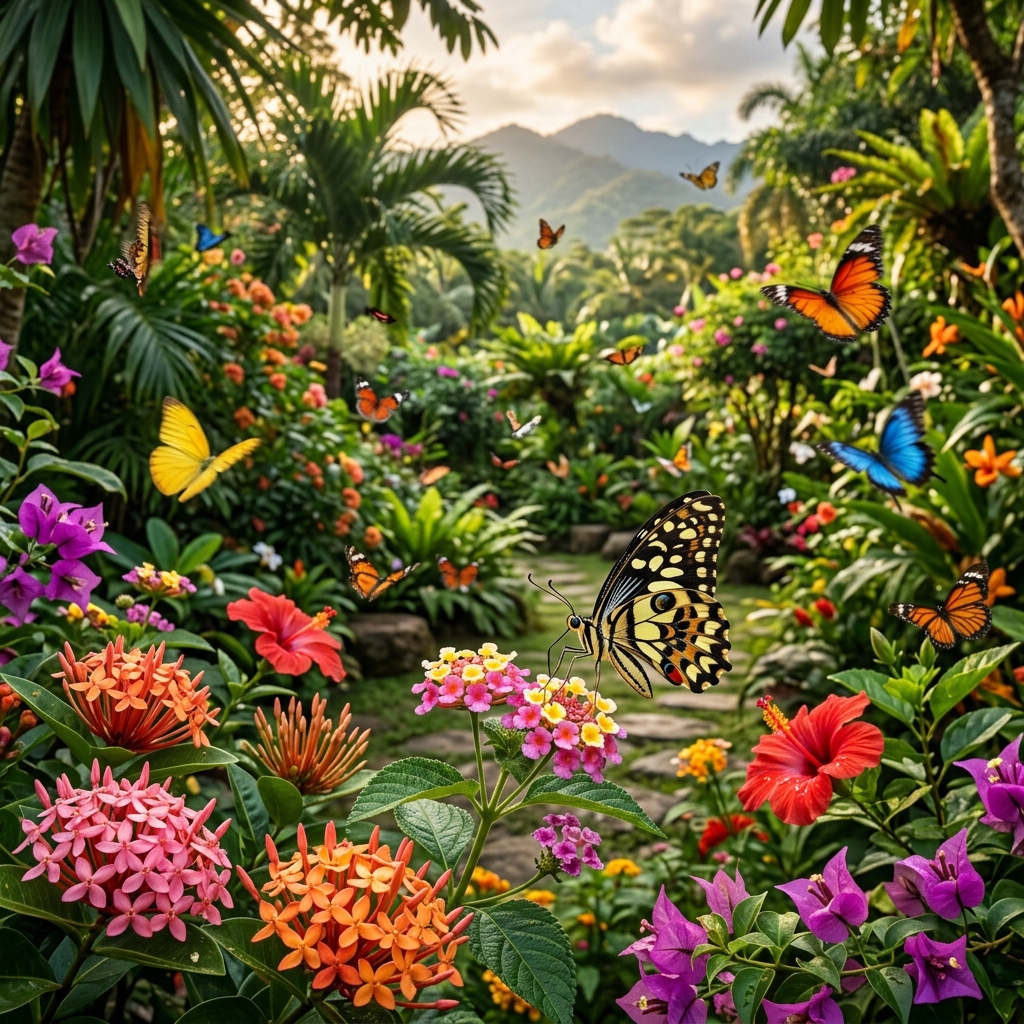
Marinduque is widely recognized as the Butterfly Capital of the Philippines. The ALH Butterfly Farm in Gasan is an enchanting, lush enclosed sanctuary where visitors can walk amidst hundreds of vibrant, free-flying native butterflies. The tropical greenhouse is adorned with blooming nectar plants and trailing vines that create a perfect breeding environment. Historically, butterfly farming has been a vital cottage industry for Marinduqueños since the 1990s. The farm features a specialized breeding laboratory where visitors can observe the mesmerizing lifecycle of lepidoptera, from delicate eggs to hanging pupae and the magical moment of eclosion (emergence). **Traveler Logistics:** The farm is a short 10-minute tricycle ride from Gasan town proper. It is highly recommended to visit between 9:00 AM and 11:00 AM on sunny days when the butterflies are most active and fluttering at eye level.
Marinduque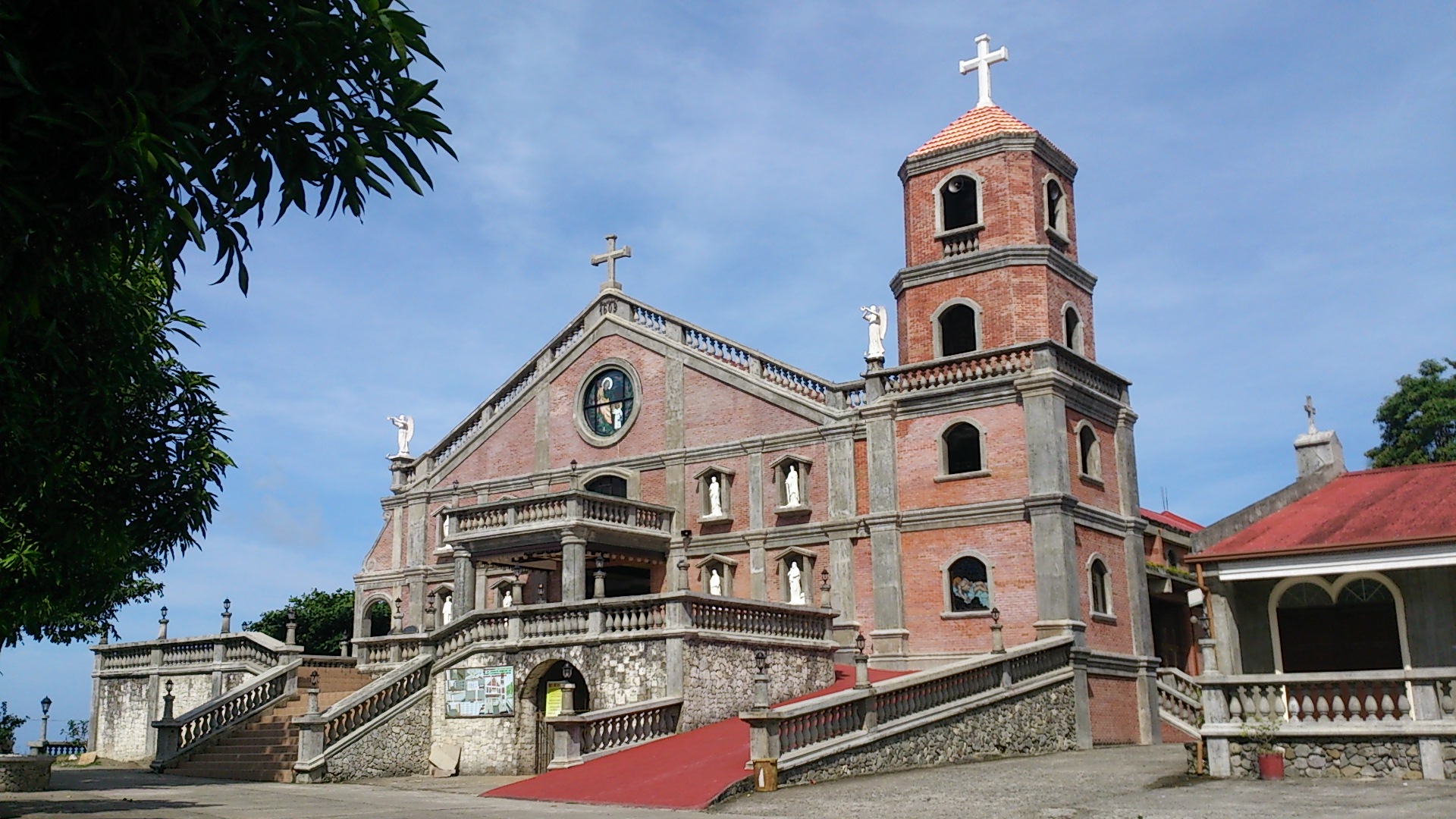
Perched majestically atop a coastal hill, St. Joseph Parish Church in Gasan is a visual masterpiece. The church features beautiful wooden doors with intricate carvings and a unique interior ceiling decorated with local coconut shells. The elevated church courtyard offers sweeping, unobstructed views of the deep blue Tablas Strait and the distant silhouette of the Tres Reyes Islands. Constructed using traditional coral stone masonry, the church is the spiritual epicenter for the vibrant Gasang-Gasang Easter Festival. During Holy Week, the church grounds transform into a dynamic stage for traditional Lenten celebrations and the colorful street dancing that defines Gasan's cultural identity. **Traveler Logistics:** Visitors can access the church by ascending a beautifully landscaped stairway from the Gasan town plaza. The courtyard is particularly breathtaking during sunset. Modest attire is required when entering the sanctuary.
Marinduque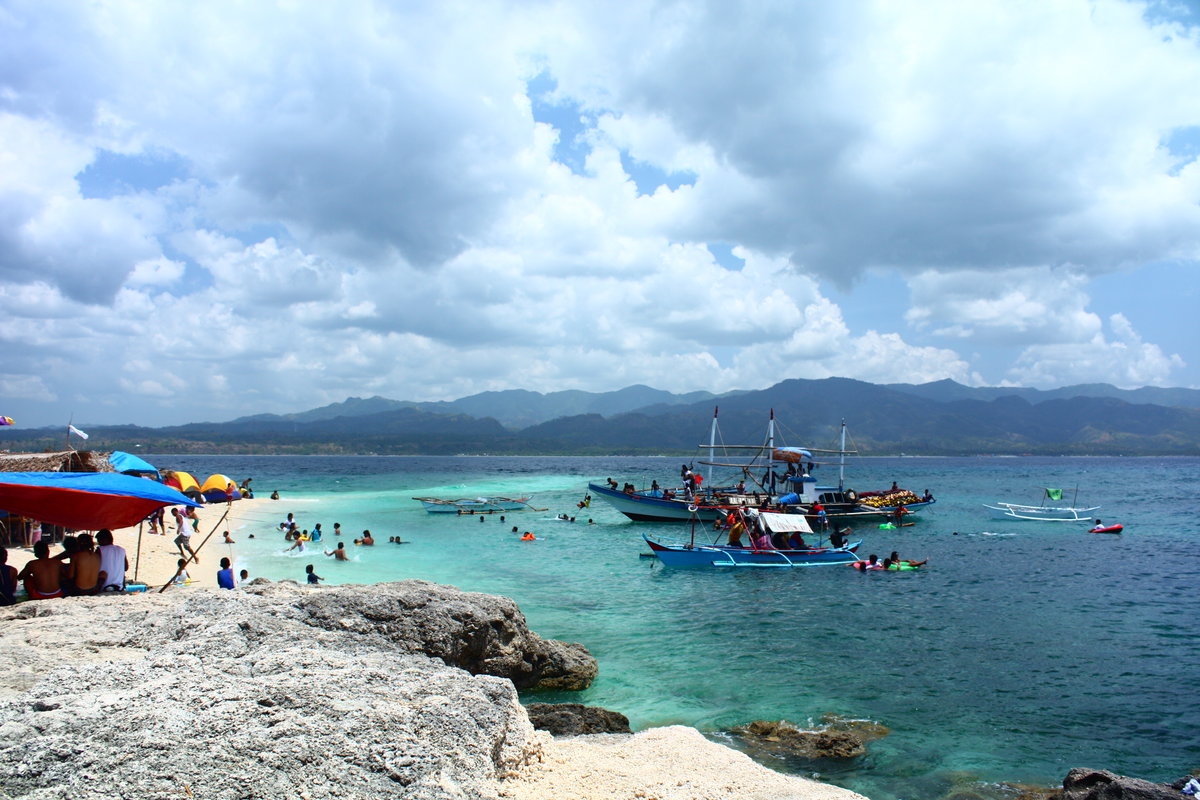
Gaspar Island is the largest and most accessible of the iconic Tres Reyes Islands. It features an exquisite crescent-shaped shoreline lined with powdery coral sand and lapped by intensely clear, turquoise waters. The island's shallow fringing reefs are teeming with colorful tropical fish and vibrant sea stars, making it a premier destination for snorkeling. In the 1980s, the waters off Gaspar gained international fame following the discovery of a sunken pre-colonial Chinese trading junk. Marine archeologists recovered thousands of well-preserved Ming Dynasty porcelain plates and celadon jars, many of which are now displayed in the National Museum. **Traveler Logistics:** The island is a 20-minute motorized outrigger boat ride from the coastal barangays of Gasan. Visitors should arrange boats early in the morning and pack all necessary food, drinking water, and sun protection as there are minimal commercial facilities.
 Marko
Marko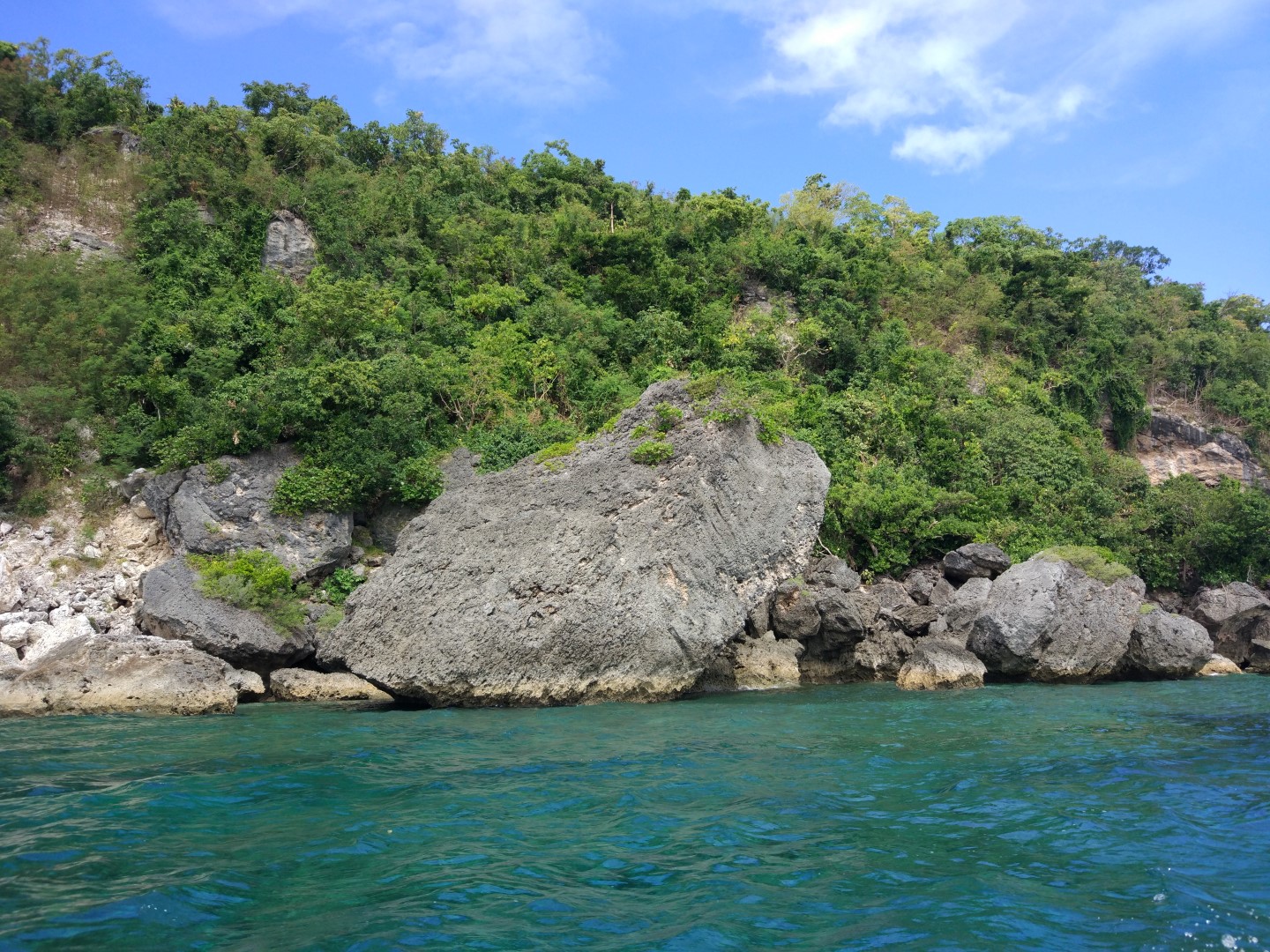
Melchor Island, named after one of the biblical Magi, is the middle jewel of the Tres Reyes archipelago. Unlike its sandy neighbor Gaspar, Melchor is characterized by dramatic, sheer limestone cliffs that plunge vertically into incredibly deep, sapphire-blue waters. The island is completely uninhabited and cloaked in dense tropical foliage. The deep waters surrounding the island drop off precipitously, creating strong currents that attract large pelagic fish. Hidden beneath the rugged cliffs are small sea caves and grottos that can only be explored by experienced divers during favorable tidal conditions. **Traveler Logistics:** Melchor is typically included as a sightseeing stop during a standard Tres Reyes island-hopping tour. Boats usually circle the island to allow visitors to photograph the striking geological formations, as there are no accessible beaches for docking.
Marko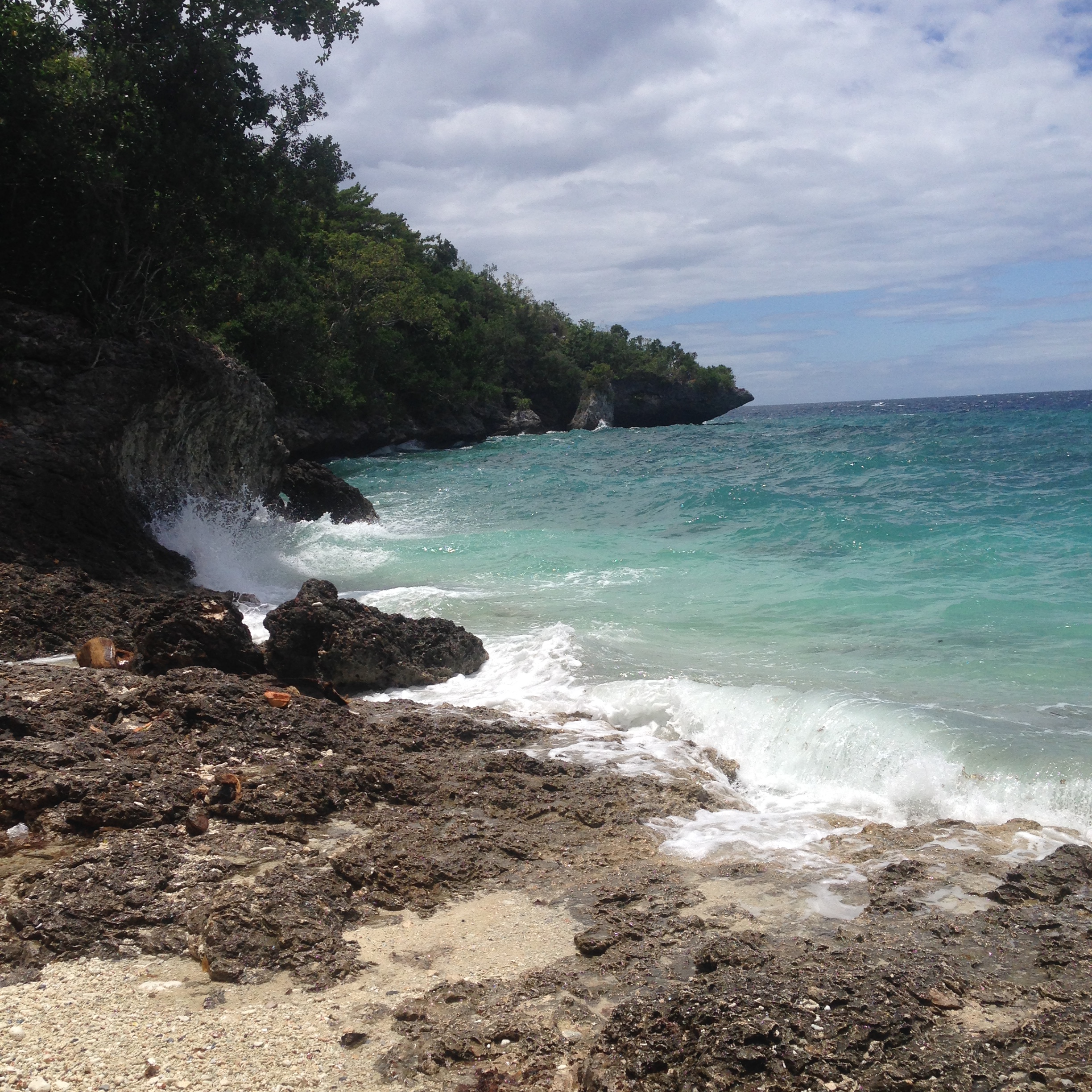
Baltazar Island is the outermost and most mysterious of the Tres Reyes Islands. It is distinguished by its operational American-colonial era lighthouse (Faro de Isla Baltazar), which guides maritime traffic traversing the treacherous currents of the Tablas Strait. The island's coastline features a mix of jagged volcanic rocks and secluded pebble coves. The true treasure of Baltazar lies beneath the surface. The island's eastern drop-off is universally regarded as the premier scuba diving destination in Marinduque. The underwater wall plunges to dizzying depths and is heavily decorated with massive sea fans, gorgonians, and vibrant soft corals, frequented by sea turtles and schools of jacks. **Traveler Logistics:** Reaching Baltazar requires a 45-minute boat ride from Gasan. Due to strong ocean currents, scuba diving here should only be attempted by advanced certified divers accompanied by experienced local divemasters.
Marko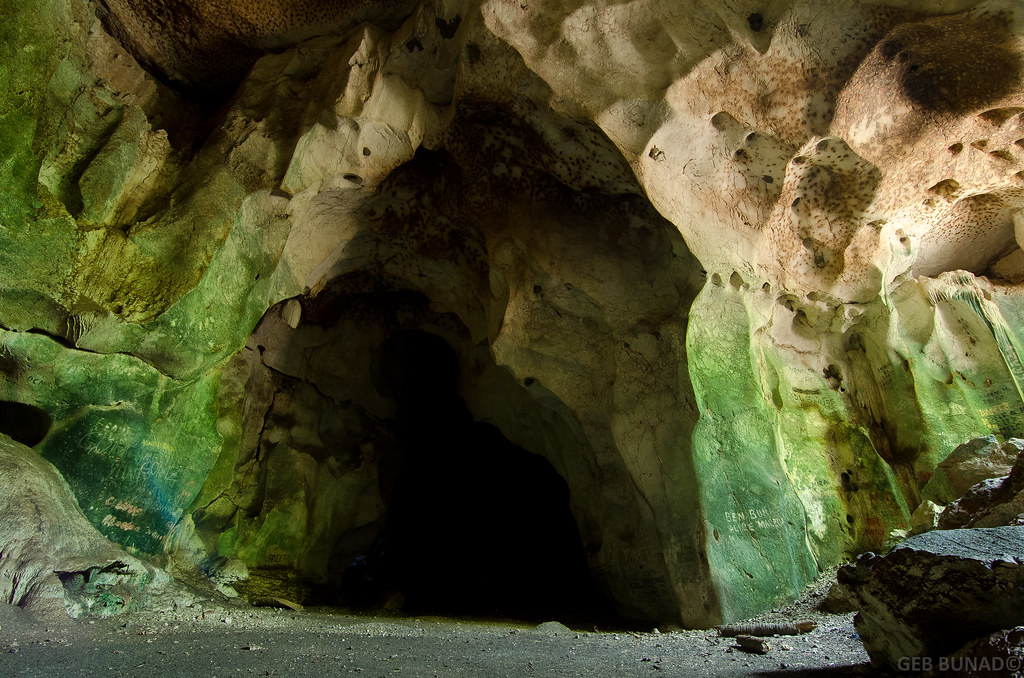
Bagumbungan Cave in Santa Cruz is a world-class subterranean river system and an ecotourism marvel managed by the local community. Exploring this cave is a thrilling, muddy adventure that involves trekking through dense forest, descending into massive limestone caverns, and wading through waist-deep underground streams. The cave system, officially mapped by speleologists in recent years, features breathtaking geological formations including glittering stalactites, massive draperies, and flowstones that sparkle under flashlight beams. The ecosystem is completely pristine, housing swiftlets, bats, and rare cave-dwelling arthropods. **Traveler Logistics:** All visitors must register at the Barangay San Isidro hall to secure mandatory protective gear (helmets, headlamps) and certified local guides. The full spelunking course takes approximately 3 to 4 hours. Wear rugged aqua shoes and prepare to get completely soaked.
Ms.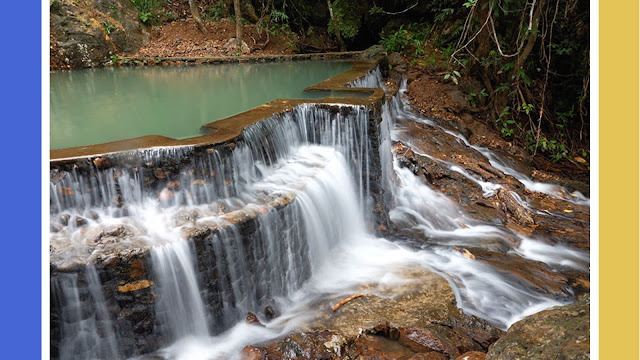
Hidden within the lush rainforests of Santa Cruz, Kawa-Kawa Falls is a mesmerizing series of natural cascade pools. The name "Kawa-Kawa" derives from the local word for a large iron cauldron, perfectly describing the smooth, deep, circular basins carved directly into the bedrock by centuries of rushing mountain water. The crystal-clear, ice-cold water flows continuously from the upper slopes of the central Marinduque mountain range. Surrounded by towering dipterocarp trees, giant ferns, and vibrant wild orchids, the falls offer a refreshing, shaded oasis completely insulated from the tropical heat. **Traveler Logistics:** Accessing the falls requires a scenic 20-minute jungle trek from the jump-off point in Barangay Bangcuangan. The trail involves crossing shallow streams and navigating mossy boulders. It is highly recommended to hire a local village guide to navigate the forest trail safely.
Ms.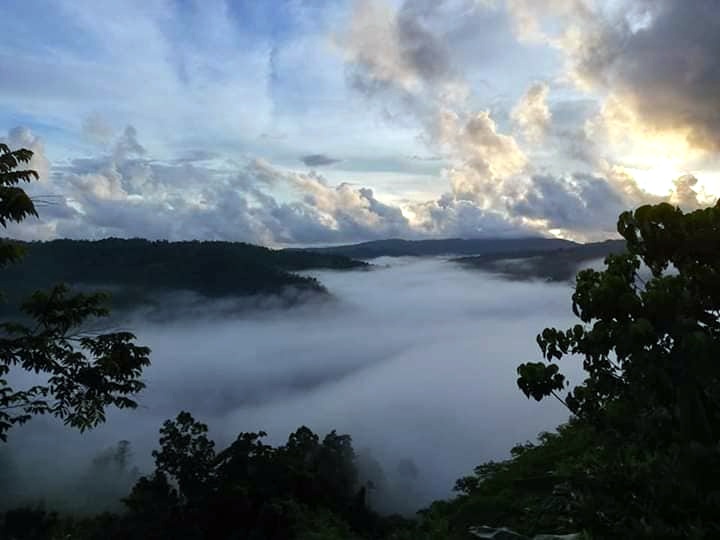
The Baliis Sea of Clouds is a breathtaking highland viewpoint located in the mountainous interior of Boac (Sitio Baliis, Barangay Bantay). Before dawn, the elevated plateau is enveloped in a dense, rolling layer of pure white mist. As the sun rises, the mist transforms into a luminous, fluffy ocean that blankets the valleys below. Situated near the central mountain spine of Marinduque, the Baliis area benefits from a unique microclimate where cool mountain air converges with coastal humidity. The surrounding landscape features rustic mountain communities, rolling pasturelands, and towering pine trees. **Traveler Logistics:** To witness the sea of clouds, travelers must arrive at the viewing deck between 5:00 AM and 6:30 AM. The winding mountain road requires a sturdy motorcycle or 4x4 vehicle. Pack light jackets as the early morning mountain air is surprisingly brisk.
Marinduque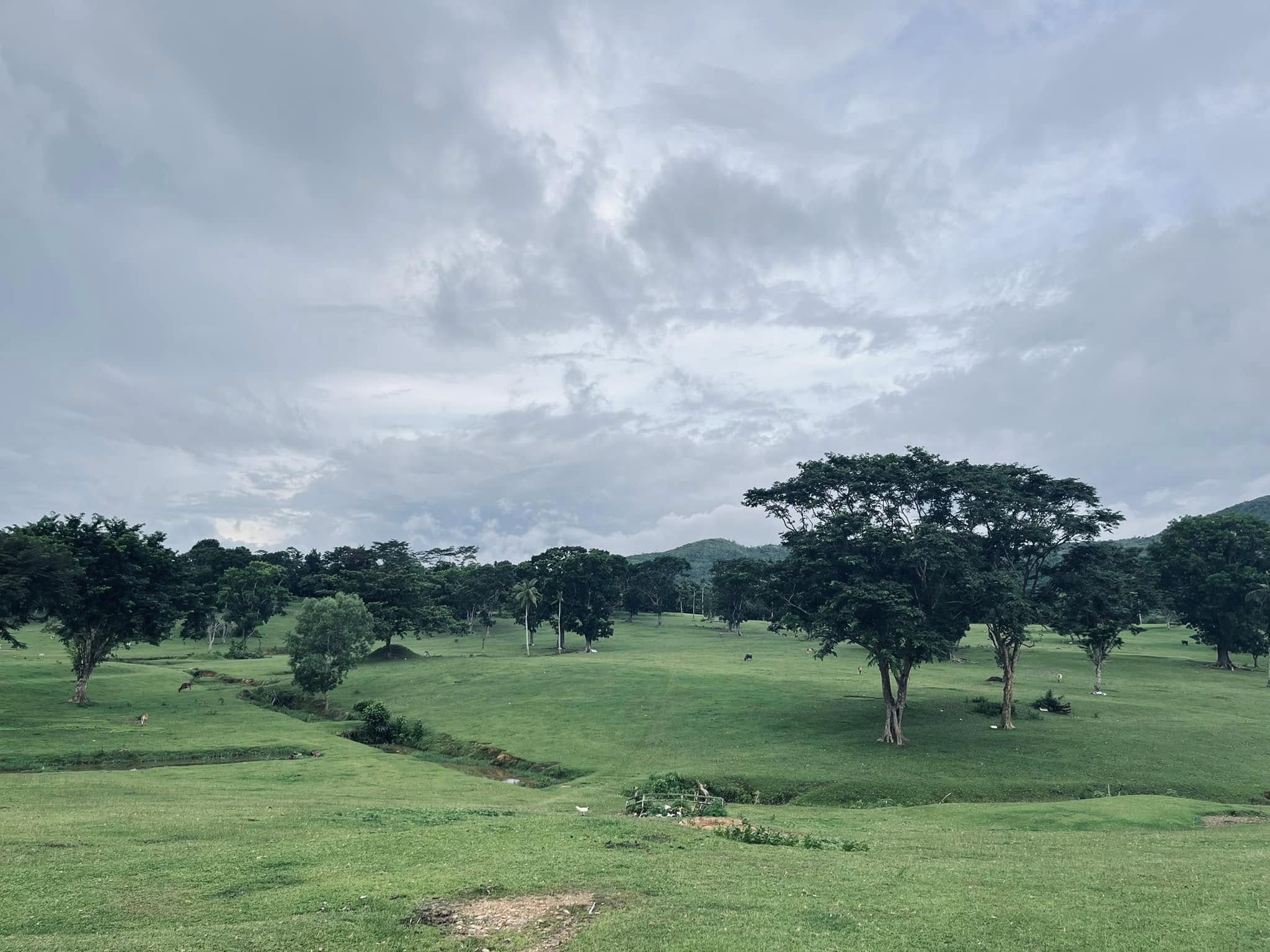
The San Antonio Golf Course in Barangay Mahinhin, Santa Cruz, offers an unexpected country club experience amidst the rugged topography of Marinduque. This beautifully maintained nine-hole par-36 course is situated on a cool, elevated plateau surrounded by majestic pine trees and rolling green hills. The course is renowned for its tranquil atmosphere, crisp highland breezes, and sweeping panoramic views of the distant Sibuyan Sea. The terrain features challenging natural slopes, strategic sand traps, and water hazards that test the precision of both amateur and seasoned golfers. **Traveler Logistics:** The golf course is open to the public and walk-in guests are welcome. Equipment rentals and caddy services provided by friendly locals are available at the clubhouse. The area is easily accessible via private vehicle or chartered tricycle from Santa Cruz town proper.
Marinduque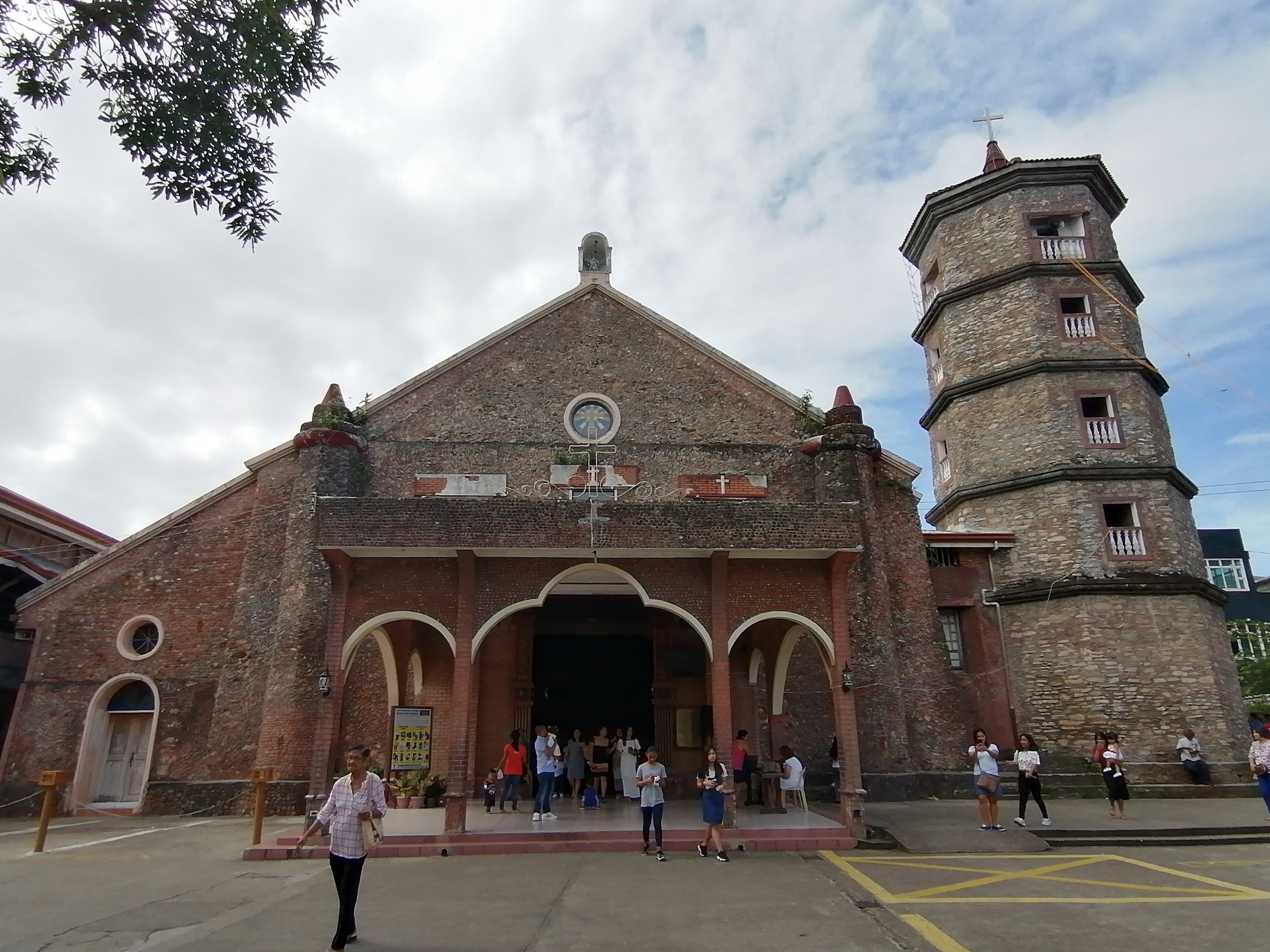
The Holy Cross Parish Church in Santa Cruz is a magnificent testament to Marinduque's deep-rooted colonial heritage. Constructed by Jesuit missionaries in the 17th century and later expanded by the Augustinian Recollects, the church boasts an imposing facade built from massive coral blocks and red terracotta bricks. The church features a remarkably well-preserved interior with a meticulously carved wooden retablo, antique religious statuary, and classical ceiling motifs. It serves as the spiritual heart of the municipality, anchoring an expansive, beautifully landscaped town plaza that comes alive during local fiestas. **Famous Island Pasalubong Nearby:** Don't leave Santa Cruz without visiting the pioneer of original Marinduque Arrowroot (Uraro) cookies at [Rejano's Bakery](/directory/b/589a06ef-6950-49f0-ba8e-98b5ee58a16e) in Barangay Banahaw, just a short drive from the church. **Traveler Logistics:** Located in the very center of Poblacion Santa Cruz, the church is easily accessible by foot from anywhere in the town.
Marinduque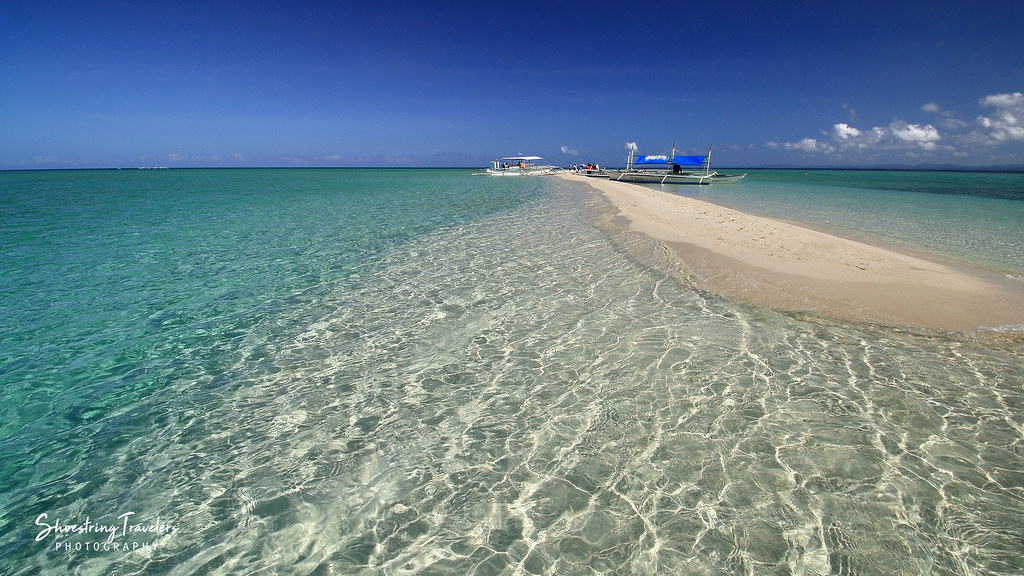
Palad Sandbar is a stunning, ephemeral paradise that emerges in the middle of the Sibuyan Sea only during extreme low tide. Located precisely between the islands of Maniwaya and Polo, this pristine strip of blindingly white, powdery sand is surrounded on all sides by incredibly clear, shallow turquoise waters. The sandbar offers an otherworldly experience of walking on water. Its remote offshore location provides an unobstructed 360-degree panorama of the open sea and distant Marinduque mountains. The surrounding shallow reef is perfect for leisurely wading and spotting starfish. **Traveler Logistics:** Access to Palad Sandbar is highly dependent on tidal schedules. Visitors can arrange direct chartered island hopping with [MORION TRAVEL & TOURS](/directory/b/48422daa-885a-4de2-a4c8-ccedd0f8c8e6) or stay beachside at [Villa Atilana Maniwaya](/directory/b/598cfe55-a1a7-4a22-800a-80ad6a174e09). Bring reef-safe sunscreen and a wide-brimmed hat.
Ms.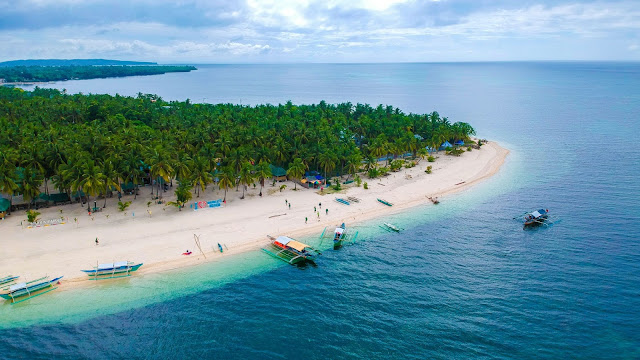
Maniwaya Island is Marinduque's premier tropical resort destination, boasting an extensive coastline of golden-white sand and swaying coconut plantations. The island's western-facing beaches offer calm, crystalline swimming waters and spectacular sunsets over the Marinduque mainland. Once a quiet fishing community, Maniwaya has blossomed into a vibrant ecotourism hub. The island seamlessly blends rustic island charm with modern comforts, offering everything from traditional nipa hut accommodations and beachfront camping to lively seaside bars serving fresh, locally caught seafood. **Where to Stay & Tour:** Enjoy authentic beachfront cottages, air-conditioned rooms, and boat transfers directly with [Villa Atilana Maniwaya](/directory/b/598cfe55-a1a7-4a22-800a-80ad6a174e09). For private guided island hopping and van transfers, coordinate with [MORION TRAVEL & TOURS](/directory/b/48422daa-885a-4de2-a4c8-ccedd0f8c8e6). **Traveler Logistics:** Reaching Maniwaya requires a 45-minute outrigger boat ride from Buyabod Port in Santa Cruz.
Marko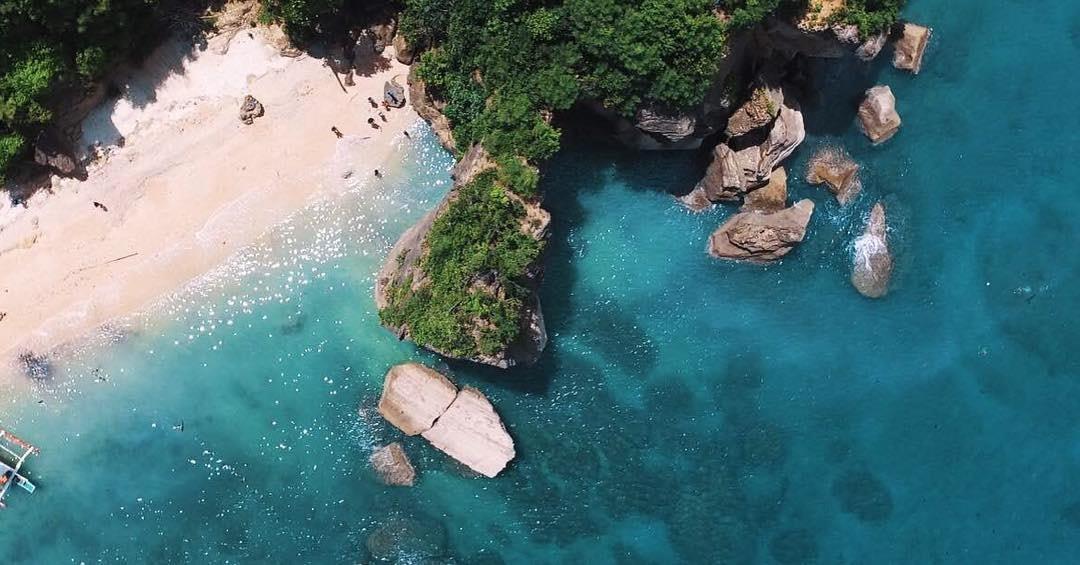
Located furthest off the eastern coast of Marinduque, Mongpong Island is a rugged, unspoiled jewel in the Sibuyan Sea. The island features a raw, dramatic coastline defined by towering limestone sea cliffs, hidden pebble coves, and quiet, traditional fishing villages. Due to its isolation, Mongpong retains an incredibly serene and untouched atmosphere. The island's offshore reefs remain pristine, offering exceptional snorkeling opportunities with high visibility. The eastern side of the island faces the open ocean, resulting in dramatic waves crashing against the rocky shores. **Traveler Logistics:** Mongpong is typically the final stop on a comprehensive Santa Cruz island-hopping tour. Reaching the island takes over an hour by boat from Buyabod Port. Visitors should be prepared for potentially choppy waters and a complete detachment from commercial tourism.
Marinduque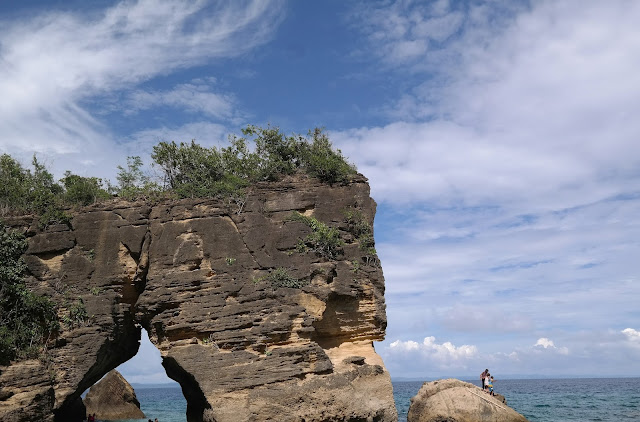
Standing like a colossal natural gateway on the eastern shore of Mongpong Island, the Ungab Rock Formation is a breathtaking geological marvel. Over millennia, the relentless pounding of ocean waves and fierce typhoon winds carved a massive, perfectly formed archway through a solid limestone cliff. Beneath the towering stone arch lies a small, secluded pocket of white sand that creates a natural, shaded swimming pool during high tide. The sheer scale of the rock formation, juxtaposed against the vast blue expanse of the ocean, creates one of the most iconic and highly photographed landscapes in Marinduque. **Traveler Logistics:** Ungab is accessible via island-hopping boats from Maniwaya or Buyabod Port. Boats can anchor directly in front of the arch during calm seas. Visitors should exercise extreme caution when swimming through the arch as ocean currents can occasionally be strong.
Ms.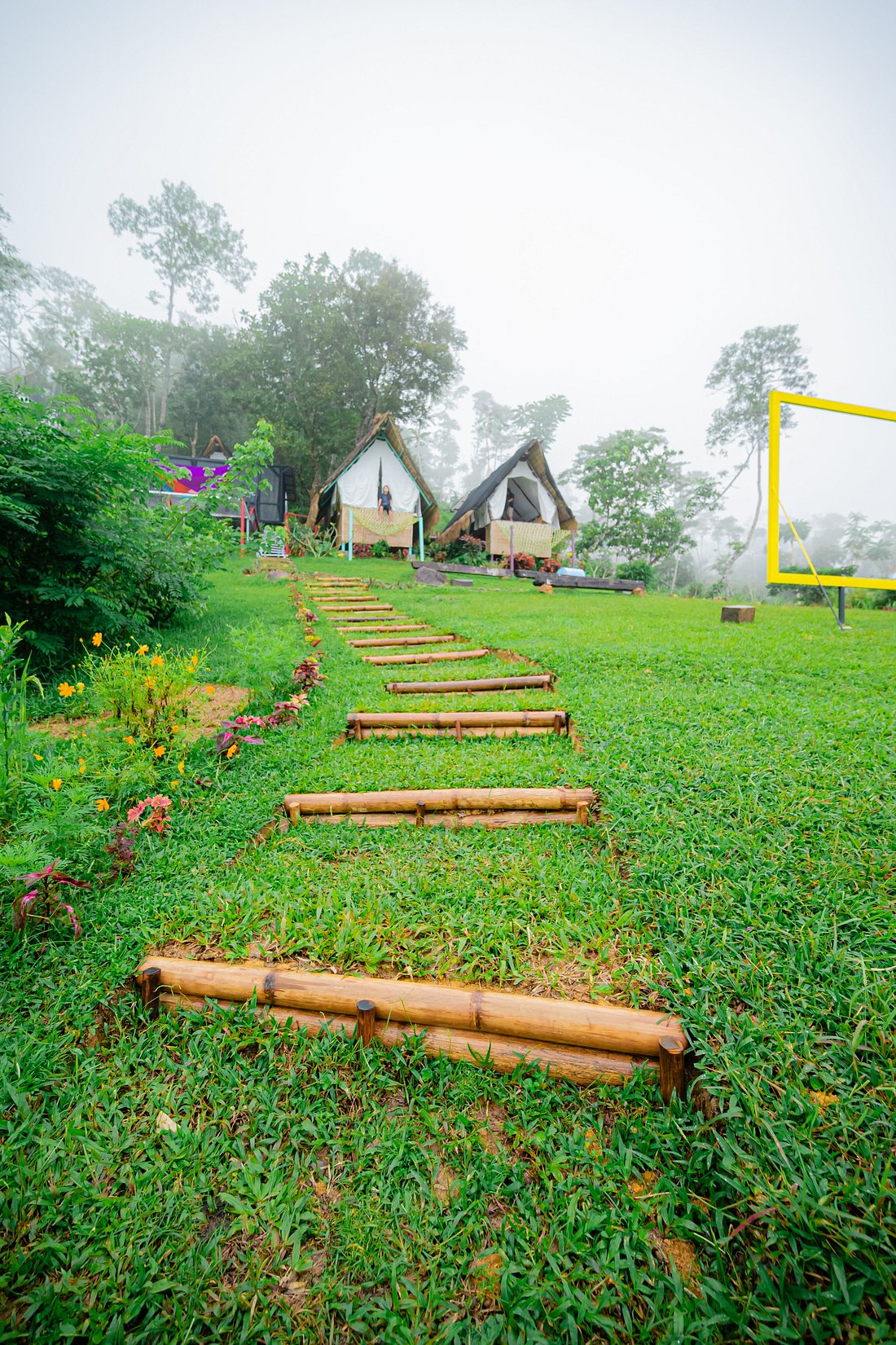
In the tranquil, elevated interior barangays of Torrijos such as Dovilla, the cherished cultural tradition of the Putong (or Tubong) welcoming ritual remains deeply embedded in daily life. This beautiful custom embodies the legendary warmth and hospitality of Marinduqueños when welcoming guests into their communities. The ceremony traditionally involves welcoming visitors with song and dance, crowning the guests with woven floral garlands (putong), and showering them with flowers and coins as a gesture of blessing, honor, and well-wishes. The experience offers an authentic, heartwarming immersion into traditional Filipino community values and the slow, peaceful rhythm of island life. **Traveler Logistics:** To experience an authentic Putong ceremony, travelers should coordinate with the Torrijos Municipal Tourism Office to arrange visits to participating heritage barangays. The experience is incredibly enriching and provides a stark, beautiful contrast to typical commercial tourism.
Marinduque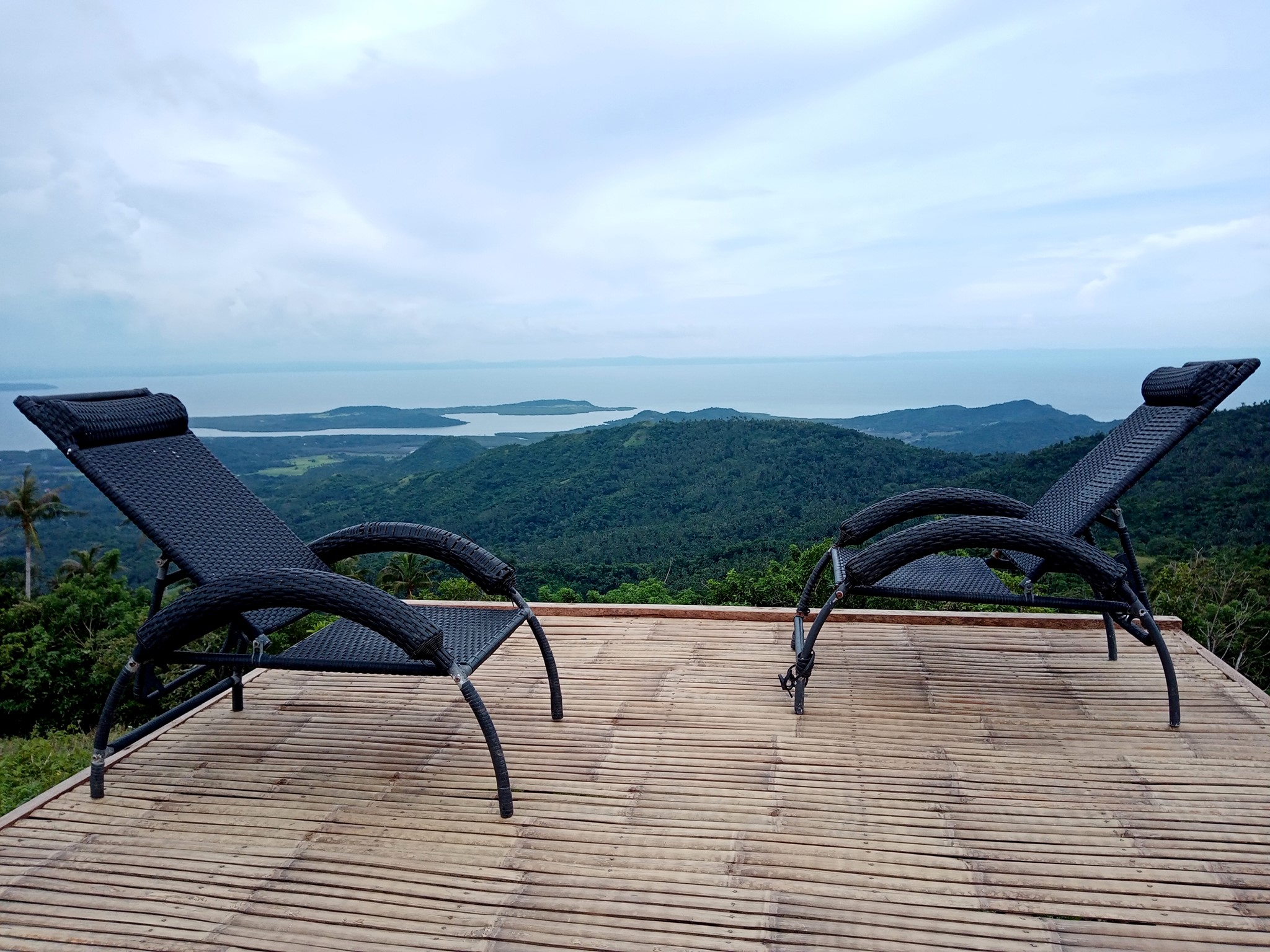
Nestled in the fertile highlands of Torrijos, Bangwayin Farm is a sprawling, scenic agricultural estate dedicated to sustainable farming practices. The vast property features meticulously maintained orchards of tropical fruit trees, organic vegetable gardens, and extensive coconut plantations. The farm serves as a living showcase of Marinduque's rich agricultural heritage. Visitors can take guided walks through the plantations, learn about traditional copra (dried coconut) processing, and observe the cultivation of native root crops. The elevated location ensures cool breezes and stunning views of the rural landscape. **Traveler Logistics:** Bangwayin Farm is accessible by private vehicle or chartered tricycle from Torrijos town proper. Visitors are encouraged to purchase fresh, organic produce, pure coconut water, and artisanal farm goods directly from the local farmers on-site.
Marinduque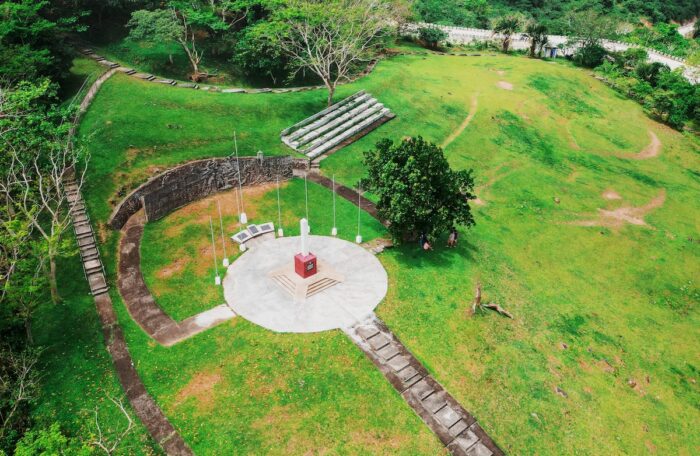
Perched strategically high atop the steep slopes of Mount Bintakay in Torrijos, the Battle of Pulang Lupa Monument is one of Marinduque's most hallowed historical sites. On September 13, 1900, Filipino revolutionary forces led by Colonel Maximo Abad secured a brilliant and decisive victory over heavily armed American occupation forces. The name "Pulang Lupa" (Red Earth) refers both to the area's iron-rich soil and the blood spilled during the fierce combat. Today, the historical shrine features interpretive markers and offers incredibly sweeping, panoramic views of the entire eastern coastline and the vast Sibuyan Sea. **Traveler Logistics:** Reaching the monument requires a strenuous uphill drive via a steep, winding mountain road followed by a short hike. A powerful motorcycle or 4x4 vehicle is highly recommended. The site is best visited in the early morning to avoid the intense midday sun.
Marinduque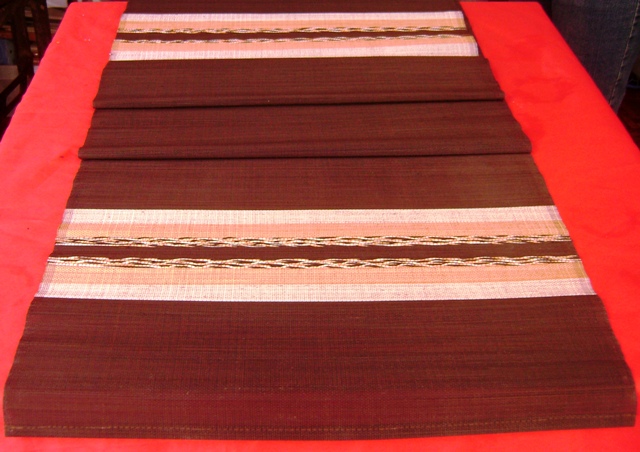
Torrijos is universally celebrated as the heartland of exquisite Buntal hand-loom weaving. This meticulous artisan craft utilizes ultra-fine, durable fibers extracted painstakingly from the petioles of the native buri palm tree. The intricate weaving process has been passed down through generations of master weavers. Inside small, traditional wooden workshops, skilled artisans operate large wooden handlooms to transform raw fibers into world-class export-quality placemats, elegant wide-brimmed hats, and stylish handbags. The process requires immense patience, precision, and an extraordinary eye for complex geometric patterns. **Traveler Logistics:** Visitors can tour the bustling weaving cooperatives scattered throughout Torrijos town proper. Watching the rhythmic clatter of the wooden looms is mesmerizing. Purchasing woven goods directly from the artisan cooperatives provides crucial support to the local cottage industry.
Marinduque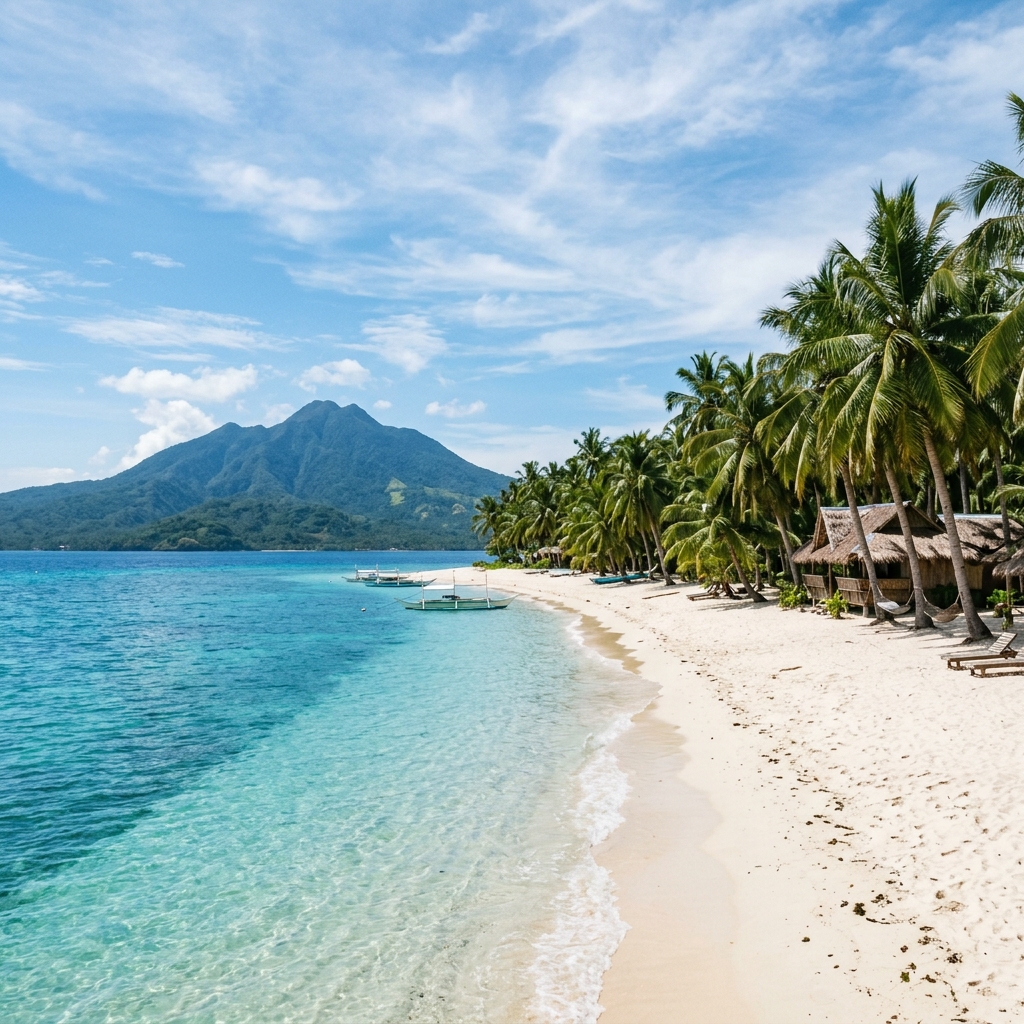
Poctoy White Beach is universally beloved as the most accessible, expansive, and picturesque public beach on the Marinduque mainland. Stretching for nearly one kilometer along the Torrijos coastline, the beach features powdery golden-white sand and exceptionally clear, calm waters perfect for swimming. The beach's most striking feature is its unparalleled, unobstructed view of the majestic Mount Malindig towering on the horizon. The shoreline is dotted with rustic bamboo nipa huts, vibrant coral reefs just offshore, and local eateries serving the freshest grilled seafood and island delicacies. **Where to Stay Nearby:** Experience a peaceful oceanfront escape just 10 minutes south along the coast at [Beach Club Cagpo](/directory/b/0c242ab1-04ac-4885-81a6-61a4de397409) in Barangay Cagpo, Torrijos. **Traveler Logistics:** Located right along the main circumferential coastal highway in Torrijos, Poctoy is incredibly easy to access via jeepney, bus, or tricycle.
Marko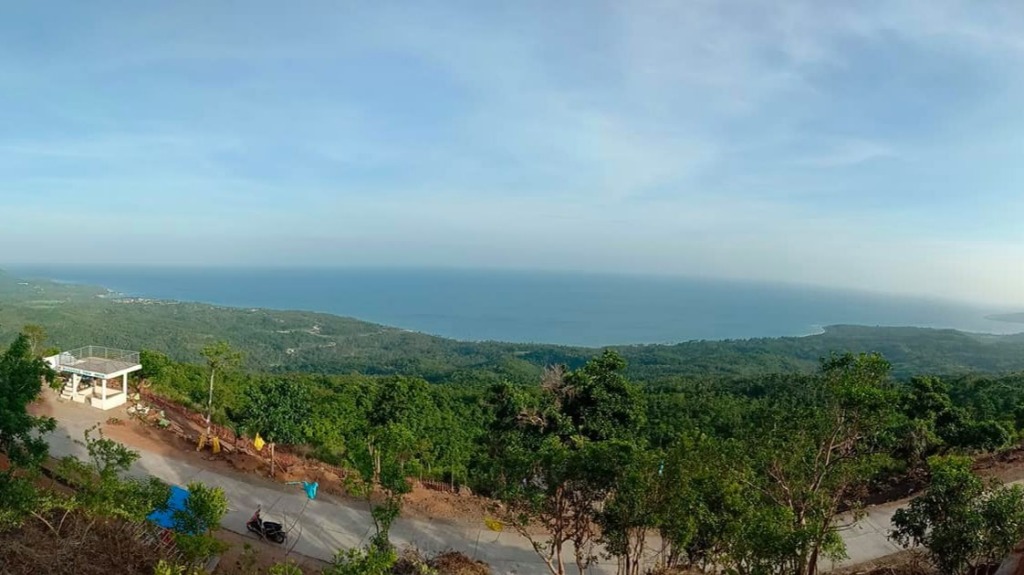
Situated along the spectacular coastal highway that connects the municipalities of Torrijos and Buenavista, the Payanas View Deck offers one of the most breathtaking roadside panoramas in the MIMAROPA region. The elevated platform juts out over a sheer cliff face plunging into the ocean. From the deck, travelers are treated to a massive, sweeping vista of Marinduque's rugged eastern coastline. The view encompasses jagged coastal rock formations, the endless deep blue expanse of the Sibuyan Sea, and the dramatic slopes of the island's southern mountain ranges. **Traveler Logistics:** The view deck is a mandatory stop for anyone driving the island's circumferential road. There is ample parking space along the highway shoulder. The location is particularly magical during sunrise, offering a perfect, quiet moment of reflection.
Marinduque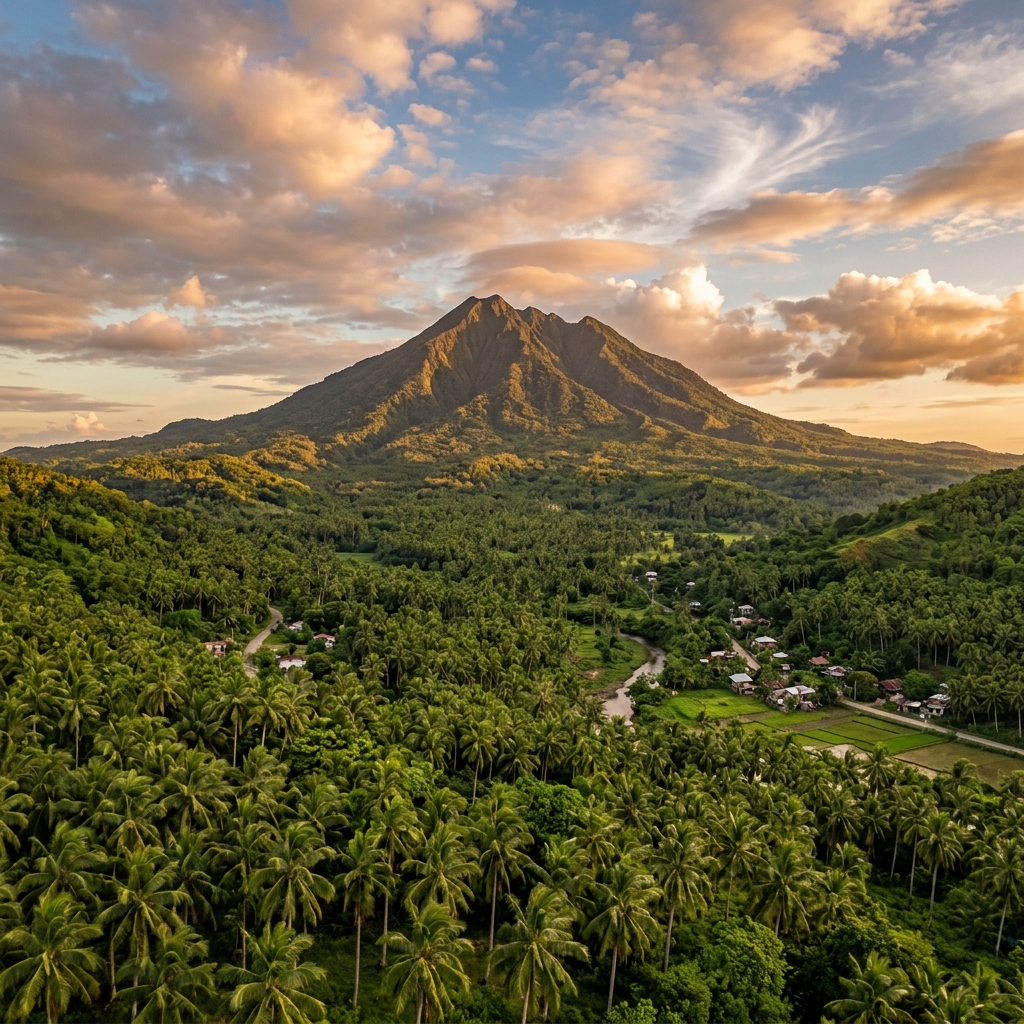
Encompassing thousands of hectares of protected mountainous terrain in the island's interior, the Marinduque Wildlife Sanctuary is a pristine haven for ecological biodiversity. The sanctuary is characterized by dense, ancient dipterocarp forests, massive fern trees, and crystal-clear mountain streams. The reserve serves as a critical habitat for a wealth of endemic flora and fauna. Patient trekkers and birdwatchers may spot the rare Marinduque hornbill, Philippine macaques swinging through the canopy, and colorful monitor lizards. The sanctuary remains largely untouched by commercial development, preserving its raw, primeval beauty. **Traveler Logistics:** All expeditions into the sanctuary must be coordinated with the DENR (Department of Environment and Natural Resources) office in Boac. Hiring a certified local forest ranger as a guide is strictly mandatory. Hikers should be prepared for challenging, muddy terrain and high humidity.
Marinduque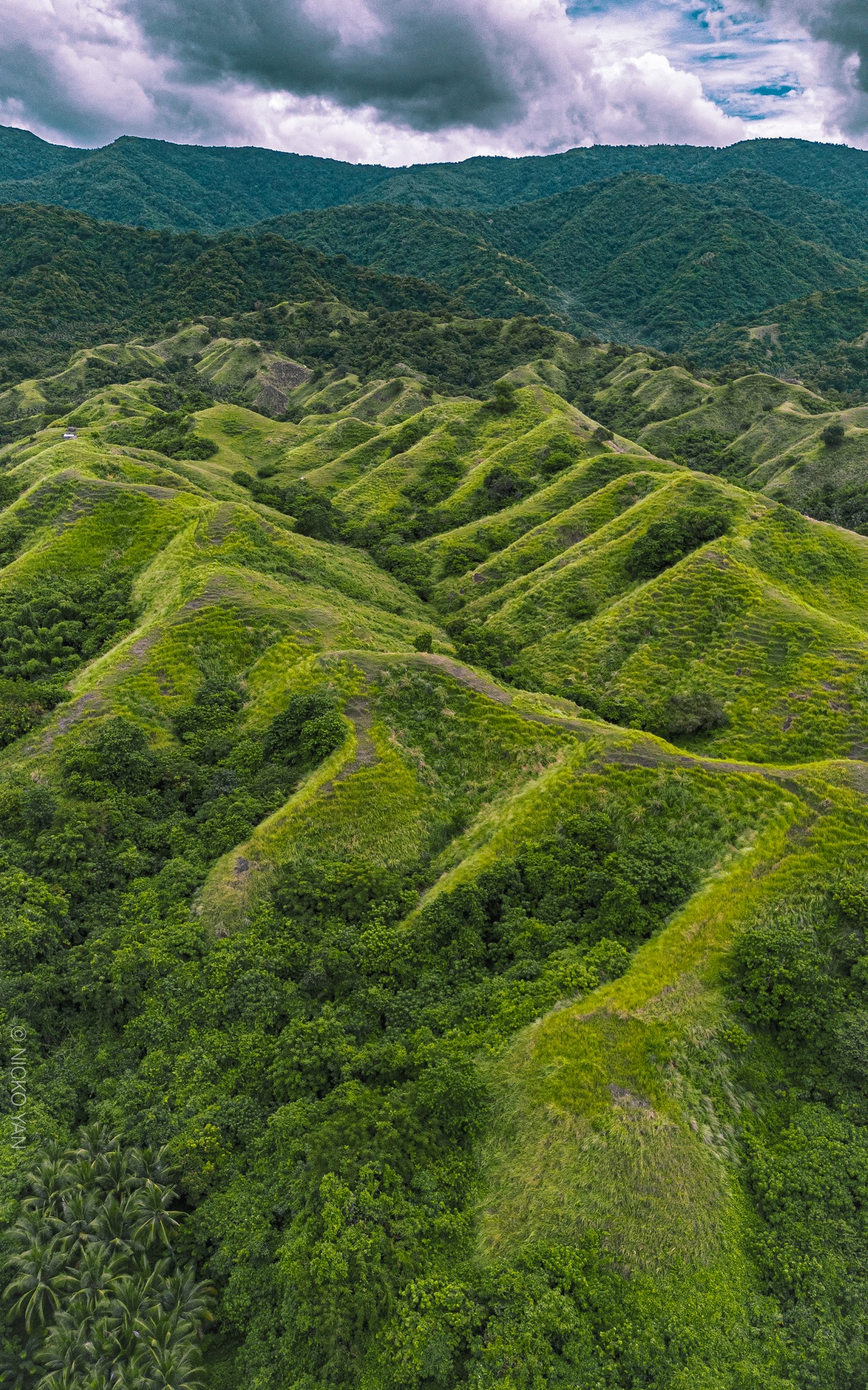
Often affectionately compared to the iconic rolling landscapes of Batanes or the Scottish Highlands, Haynon Hills in Buenavista is a sprawling expanse of vibrant, emerald pasturelands. The incredibly scenic, undulating grassy hills provide a stark and beautiful contrast to the island's typical dense jungles. The elevated terrain benefits from constant, crisp sea breezes sweeping in from the coast. The hills offer magnificent, unobstructed 360-degree views that include the majestic peak of Mount Malindig on one side, and the sparkling expanse of the ocean on the other. It is a premier destination for landscape photography. **Traveler Logistics:** Accessing Haynon Hills requires navigating a rough, unpaved inland road from the main Buenavista highway, best tackled with a sturdy motorcycle. The absolute best time to visit is during the golden hours of late afternoon when the rolling hills are bathed in warm, dramatic sunlight.
Marinduque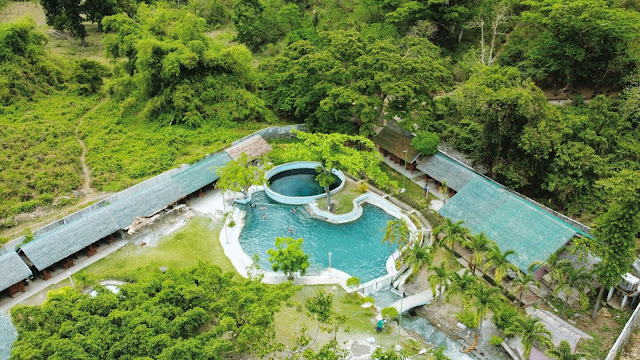
Bubbling directly from the geothermal volcanic depths of the dormant Mount Malindig, the Malbog Sulfur Springs offer a deeply restorative and therapeutic natural spa experience. The highly mineralized, sulfuric water emerges from the earth at consistently warm temperatures, creating a soothing oasis. Local lore and holistic practitioners have long revered the sulfur-rich waters for their potent dermatological healing properties, purportedly curing various skin ailments and relieving intense muscle fatigue. The resort features several tiered pools of varying temperatures, surrounded by lush tropical foliage and the distinctive, earthy scent of sulfur. **Local Delicacies Nearby:** While visiting Buenavista, stop by [Mia's Special Pastillas de Leche](/directory/b/07620e79-b976-47b5-8cc8-b298ca262bb0) in Poblacion for authentic carabao milk sweets and toasted pastillas. **Traveler Logistics:** The hot springs are located just a few minutes off the main circumferential road in Buenavista. Minimal entrance fee is required.
Marko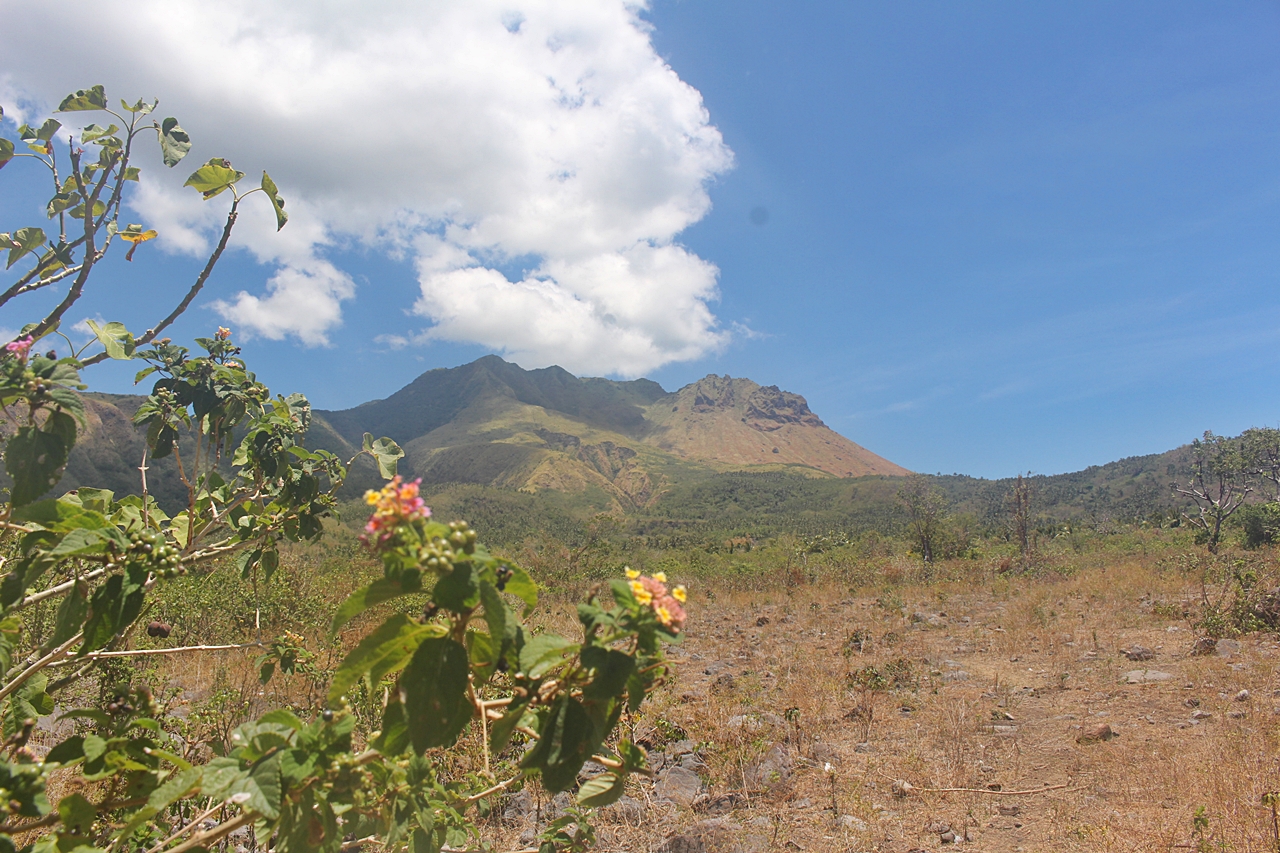
Dominating the southern skyline of Marinduque, Mount Malindig is a majestic, dormant stratovolcano and the highest peak on the island, soaring to an elevation of 1,157 meters above sea level. Its steep, symmetrical slopes are cloaked in dense, mossy montane forests that host a unique, high-altitude ecosystem. Mount Malindig is the ultimate prize for mountaineers visiting the island. The challenging ascent traverses through local farming hamlets, dense jungle canopies, and slippery moss-covered ridges. On clear days, the summit rewards climbers with mind-blowing panoramic views stretching across the sea to the neighboring provinces of Mindoro and Quezon. **Traveler Logistics:** The standard jump-off point for the hike is in Barangay Sihi, Buenavista. Climbers must register at the barangay hall and hire a local guide. The ascent typically takes 3 to 5 hours depending on fitness levels. The trail is extremely steep and can be perilous during the rainy season.
Ms.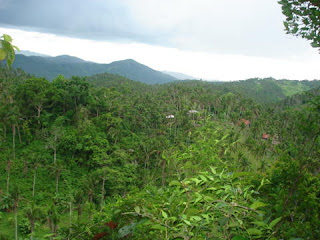
The Tarug Rock Formation is a striking geological marvel and a thrilling destination for eco-adventurers in Mogpog. Rising abruptly and dramatically from the surrounding flat agricultural plains, this massive limestone monolith towers over the countryside, completely draped in wild vines and dense tropical foliage. Historically, the towering rock served as a natural navigational landmark for locals traversing the inland valleys. The formation houses a hidden, multi-chambered cave system filled with intricate stalactites and thousands of nesting swiftlets. Scaling the jagged, vertical faces of the rock requires physical agility but rewards climbers with unparalleled views. **Traveler Logistics:** Located in the remote interior barangay of Tarug, the site is accessible via a 30-minute motorcycle or tricycle ride from Mogpog town proper. The final approach involves navigating narrow dirt paths and agricultural trails. **Insider Visiting Tips:** Hiring a local village guide is absolutely mandatory for safety, as the trails leading up the rock face and into the caves are steep and unmarked. Wear sturdy trekking shoes with excellent grip, and bring a powerful headlamp if you plan to explore the interior caverns.
Ms.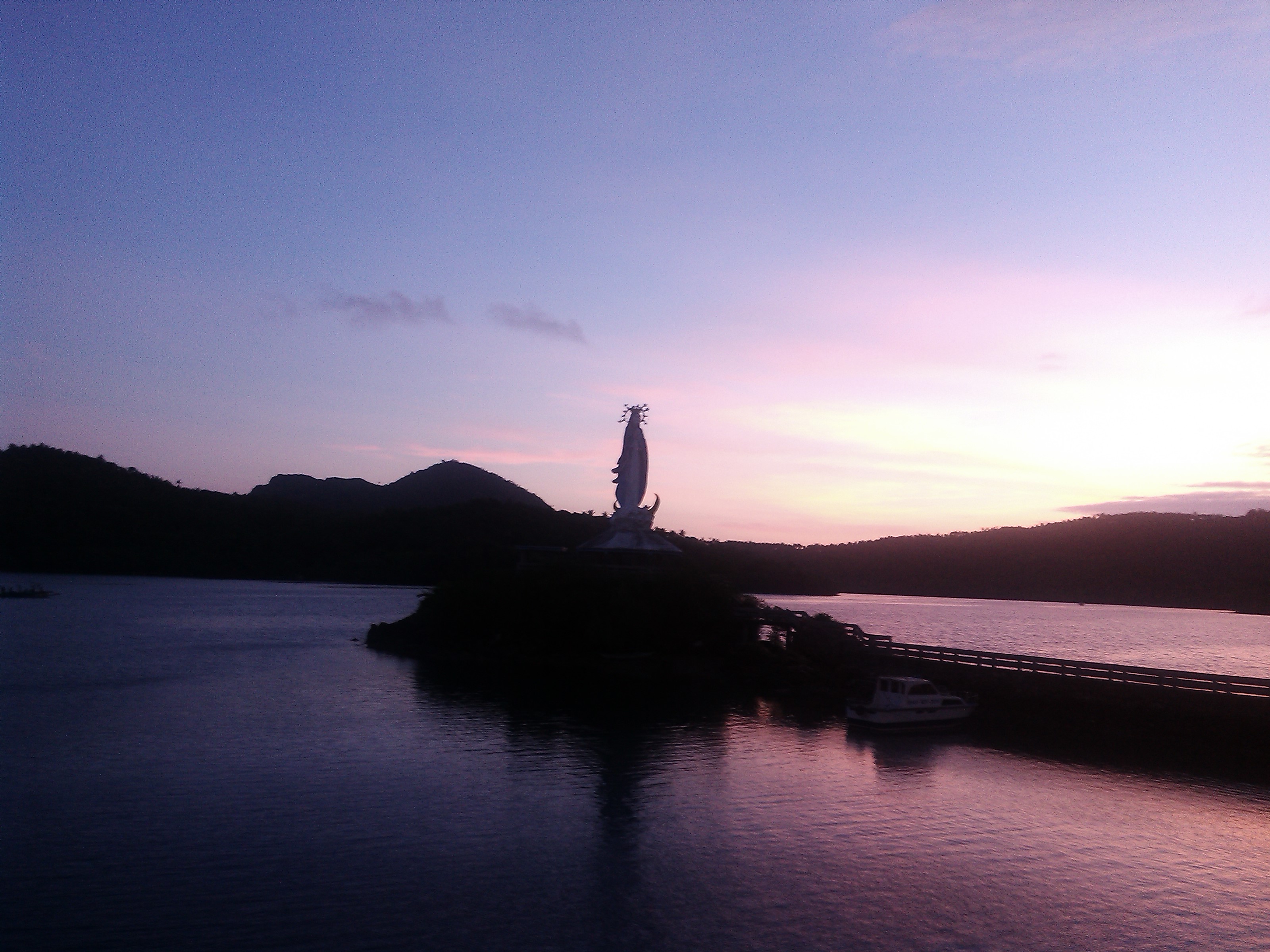
The Balanacan Shrine, dedicated to Our Lady of Biglang Awa (Our Lady of Prompt Succor), is a monumental and deeply revered spiritual landmark in Mogpog. Standing majestically atop a strategic coastal hill, the towering statue of the Virgin Mary serves as the iconic welcome beacon for all travelers arriving by sea at the Balanacan Port. Constructed as a testament to Marinduque's enduring Catholic faith, the shrine commemorates the miraculous interventions attributed to the island's patroness. The viewing deck surrounding the monument offers an absolutely breathtaking, unobstructed 360-degree panorama. Visitors can watch RORO ferries navigating the turquoise waters of Balanacan Cove against a backdrop of lush, rolling hills. **Traveler Logistics:** The shrine is located just a short 5-minute walk from the Balanacan Port terminal. A paved stairway leads directly up the hill to the viewing deck, making it incredibly accessible for arriving or departing passengers. **Insider Visiting Tips:** The absolute best time to visit is during the late afternoon. The elevated vantage point provides one of the most spectacular sunset views on the entire island. Be sure to dress modestly as it is a religious site.
Ms.Marinduque Gems are community-sourced, verified hidden treasures across the six municipalities of Marinduque. They range from untouched sandbars and secret coastal coves to heritage wood carving workshops and inland waterfalls.
Any registered user can post a gem using the "Post a Gem" button or tap the heart icon on any existing card to vouch for its authenticity and boost its community ranking.
Yes, almost all featured gems are public natural sanctuaries or community landmarks. Detailed location and accessibility notes are provided on each individual gem review page.